Easy Ways to Stop Smoking Drugs
Making the decision to break free from the cycle of smoking addictive substances is one of the most transformative choices you can make for your health, happiness, and future. Whether you are struggling with nicotine, marijuana, or illicit narcotics, the thought of quitting can feel incredibly overwhelming. The fear of withdrawal, the anxiety of facing cravings, and the uncertainty of life without your usual coping mechanisms are all valid concerns.
Recovery becomes more manageable when the process is broken into practical steps. With professional support, healthy routines, and evidence-based strategies, many people successfully reduce substance use and build a healthier future.
This comprehensive guide will walk you through the psychological, physical, and medical strategies needed to overcome addiction. From managing detox to building a life of long-term sobriety, here is everything you need to know to successfully navigate your recovery journey.
Crafting Your Exit Strategy
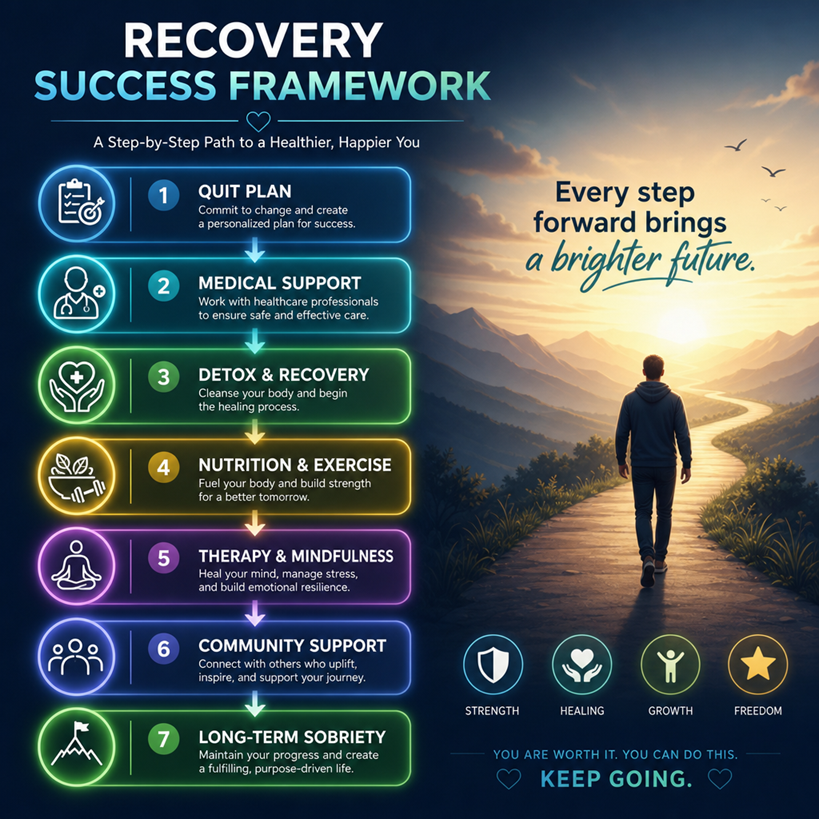
Quitting any substance requires more than just willpower; it requires a concrete plan. Creating a structured, step-by-step guide to breaking drug habits is the foundation of long-term success. Going in blind often leads to frustration and relapse, but a well-thought-out strategy acts as a roadmap when cravings strike.
Set a Firm Quit Date
Choose a specific day to stop. This gives your mind time to adjust to the idea of quitting. Avoid picking a date during a highly stressful life event, but don't push it so far into the future that you lose your momentum.
Remove All Triggers
Before your quit date arrives, thoroughly clean your environment. Discard all paraphernalia—pipes, lighters, rolling papers, and any hidden stashes. Your home, car, and workspace should be a blank slate. If you don't have access to the substance, acting on a sudden impulse becomes significantly harder.
Define Your "Why"
Write down the exact reasons you want to quit. Are you doing it for your physical health? To repair relationships? To save money? Keep this list in your wallet or make it the lock screen on your phone. When the urge to smoke arises, visualizing your "why" can immediately ground you.
Utilizing Medical Interventions and Aids
You do not have to rely on sheer willpower alone. Modern medicine offers highly effective interventions to bridge the gap between addiction and sobriety.
Leveraging Quit Aids
For those transitioning away from smoked substances, particularly those mixed with tobacco or pure nicotine, quit smoking aids can be a lifesaver. Tools like lozenges, patches, and gums provide controlled doses of relief without the harmful toxins associated with smoke inhalation. Nicotine replacement therapy (NRT) is scientifically proven to double your chances of successfully quitting by satisfying the physical craving while you work on breaking the psychological habit.
Prescription Medications
For nicotine dependence, healthcare professionals may recommend treatments such as nicotine replacement therapy, bupropion, or varenicline depending on individual needs. Other substance dependencies may require different medical approaches and should be discussed with a qualified provider.
Understanding Withdrawal Stages
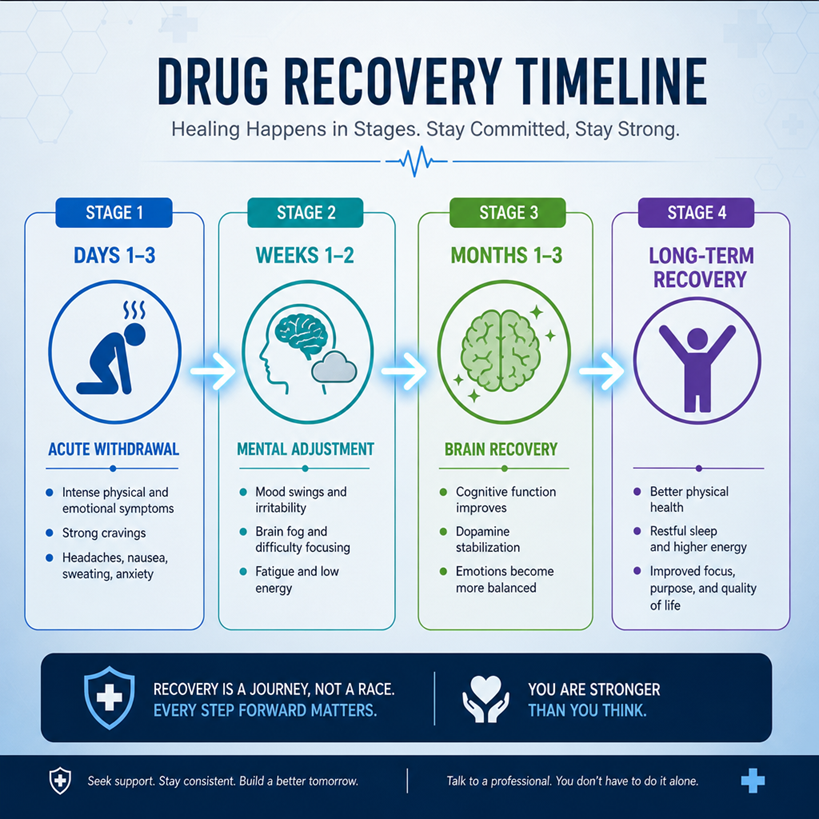
Withdrawal symptoms vary depending on the substance, frequency of use, and individual health factors. Some people experience intense symptoms within days, while others may experience longer psychological challenges such as cravings, stress, or mood changes.
Days 1-3: The acute phase. This is when physical symptoms peak, including irritability, headaches, sweating, and intense cravings.
Weeks 1-2: Physical symptoms begin to subside, but psychological cravings and emotional volatility may take center stage. Brain fog and fatigue are common.
Months 1-3: The brain starts to rewire itself. Dopamine levels begin to stabilize, though you may occasionally experience sudden, situational triggers.
Home Detox Strategies
If your dependency allows for an at-home detox, preparation is key. Knowing how to manage drug withdrawal symptoms at home ensures you remain comfortable and focused.
- Stay Hydrated: Drink plenty of water and electrolyte-rich fluids to help flush toxins from your system.
- Prioritize Rest: Your body is doing heavy lifting to repair itself. Sleep as much as you need to.
- Use OTC Relief: Over-the-counter pain relievers can help with muscle aches and tension headaches, while herbal teas like chamomile or valerian root can soothe anxiety and promote sleep.
Comfort measures such as warm baths, hydration, rest, and healthy nutrition may help people manage some withdrawal discomfort. However, detoxification is primarily handled by the body's natural systems and, in some cases, requires medical supervision.
Holistic and Nutritional Support
Addiction takes a heavy toll on the body's essential vitamins and minerals. Healing requires more than just stopping the bad habits; it requires actively introducing good ones. Implementing holistic approaches to overcoming chemical dependency ensures that your mind, body, and spirit heal in tandem.
Eating for Recovery
A crucial but often overlooked aspect of recovery is nutritional support during the detoxification process. Drugs and harmful substances deplete the body of vital nutrients, particularly B vitamins, vitamin C, and essential amino acids.
- Complex Carbohydrates: Foods like sweet potatoes, oats, and brown rice help stabilize blood sugar levels, preventing the mood swings that often trigger cravings.
- Lean Proteins: Chicken, fish, tofu, and beans provide amino acids necessary for rebuilding neurotransmitters like dopamine and serotonin.
- Antioxidant-Rich Foods: Berries, dark leafy greens, and nuts help repair cellular damage caused by the oxidative stress of smoking.
Mastering Cravings and Mental Health
Once the physical detox is complete, the mental battle begins. Cravings are inevitable, but they are also temporary. Having robust coping strategies for drug cravings and triggers is what separates temporary abstinence from lifelong sobriety.
The "4 D's" Strategy
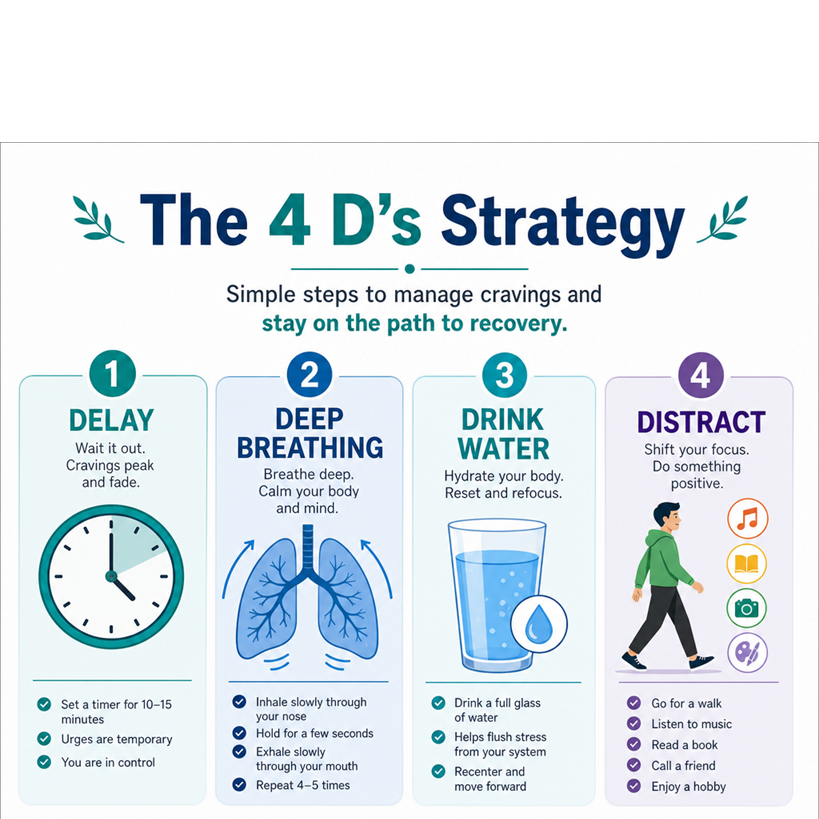
When a craving hits, remember the four D's:
- Delay: Wait 10 to 15 minutes. Cravings usually peak and then subside quickly.
- Deep Breathing: Take slow, deep breaths to calm your nervous system.
- Drink Water: Hydration can remarkably curb oral fixations and refresh your senses.
- Distract: Shift your attention entirely. Call a friend, do a puzzle, or take a quick walk.
Rewiring the Brain with Therapy
One of the most profound tools in addiction recovery is professional counseling. The benefits of cognitive behavioral therapy for recovery are well-documented. CBT helps you identify the negative thought patterns and emotional triggers that lead to substance use. Instead of just treating the symptom (the smoking), CBT addresses the root cause, teaching you how to reframe your thoughts and respond to stress without relying on drugs.
Grounding the Mind
To complement therapy, integrating mindfulness and meditation for addiction management can drastically reduce relapse rates. Mindfulness teaches you to observe your cravings without judgment and without acting on them. By spending just ten minutes a day in guided meditation, you train your brain to pause between the feeling of a trigger and the reaction of reaching for a substance.
Physical Healing: The Power of Movement
One of the most inspiring aspects of quitting is witnessing what happens to your body after quitting drugs. Within just 24 hours, your heart rate and blood pressure begin to drop to healthier levels. Carbon monoxide levels in your blood normalize. Within a few weeks, your lung function improves, making physical exertion easier and reducing chronic coughing. Over the span of a few months, your brain's dopamine receptors begin to heal, allowing you to feel natural joy and pleasure from everyday activities.
To accelerate this healing, you must embrace the role of physical exercise in addiction recovery. Exercise is a powerful natural intervention.
- Endorphin Release: Working out triggers the release of endorphins, the body's natural "feel-good" chemicals, which combat the depression and lethargy common in early recovery.
- Stress Reduction: High-intensity interval training (HIIT), running, or boxing can help release pent-up aggression and stress.
- Establishing Routine: Addiction thrives in chaos. Setting a daily exercise schedule creates structure and discipline, leaving less idle time for cravings to manifest.
Relapse Prevention and Community
Recovery is rarely a solitary endeavor. Isolation is one of the biggest risks for relapse, which is why building a strong support system for sobriety is absolutely non-negotiable.
Finding Your Tribe
Surround yourself with people who uplift your goals. This might mean setting boundaries with old friends who still use substances. Seek out support groups like Narcotics Anonymous (NA), SMART Recovery, or online sober communities. Sharing your struggles and victories with people who truly understand the journey provides a profound sense of validation and accountability.
Guarding Against Relapse
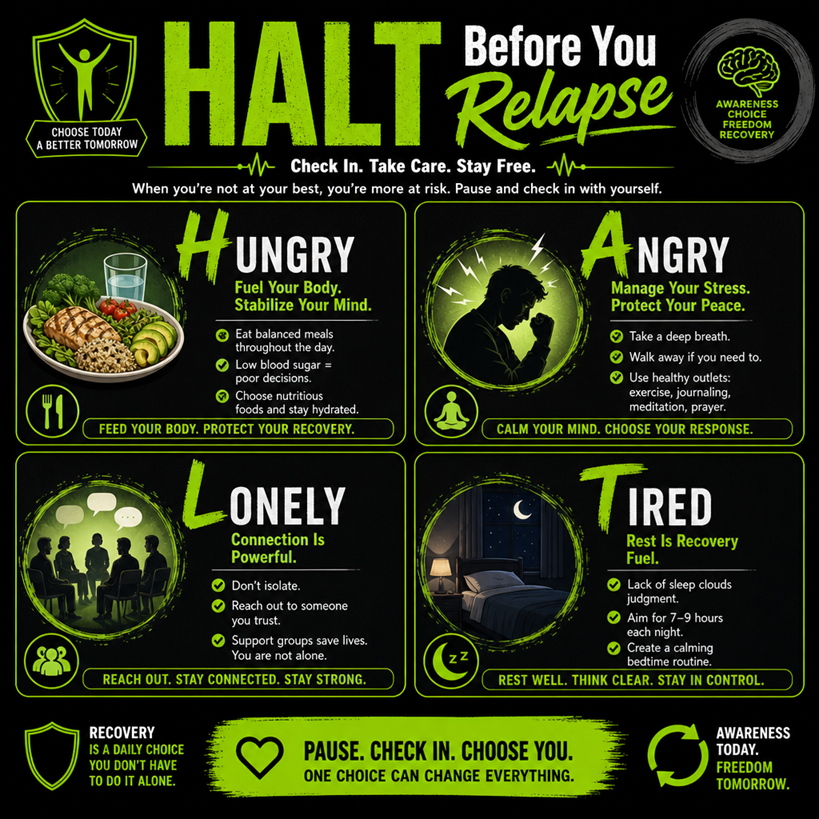
Even years into sobriety, triggers can arise. Utilizing effective techniques to prevent substance relapse keeps you vigilant. A widely used technique in recovery circles is the acronym HALT. Whenever you feel an overwhelming urge to smoke or use, ask yourself if you are:
- Hungry
- Angry
- Lonely
- Tired
Often, a physical or emotional need is masquerading as a craving. By addressing the underlying issue—eating a snack, venting to a friend, or taking a nap—you can effectively neutralize the urge to relapse.
When Immediate Help Is Needed
Some withdrawal situations can become dangerous, especially with certain substances or long-term dependency. Seek urgent medical assistance if someone experiences severe confusion, seizures, difficulty breathing, extreme agitation, or thoughts of self-harm.
People seeking recovery support can contact qualified healthcare providers, addiction specialists, or local support services for guidance.
Recognizing When to Seek Clinical Care
While there are many easy ways to stop smoking drugs through lifestyle changes and home remedies, addiction is a complex medical condition. Attempting to quit "cold turkey" at home is not always safe or effective, particularly for those with severe, long-term dependencies.
It is vital to know the signs you need professional help for drug use. If you experience intense physical withdrawals (such as severe tremors, hallucinations, or uncontrollable vomiting), if your substance use is co-occurring with severe mental health issues like severe depression or bipolar disorder, or if you have repeatedly tried to quit on your own and failed, it is time to seek clinical intervention.
Choosing the Right Treatment
When seeking professional help, you will generally choose between two primary paths: inpatient vs outpatient addiction treatment programs.
- Inpatient Programs: Also known as residential treatment, these programs require you to live at a facility for 30 to 90 days. They provide 24/7 medical supervision, a highly structured environment free of triggers, and intensive daily therapy. This is ideal for severe dependencies or individuals living in toxic home environments.
- Outpatient Programs: These allow you to live at home and continue working or attending school while attending scheduled therapy and medical check-ins several times a week. Outpatient care is highly effective for mild to moderate dependencies and for individuals who have a strong, sober support system at home.
Global and National Reference Bodies includes:
US Food and Drug Administration (FDA)
Regulates and approves specific pharmacological treatments for safe use in tobacco cessation programs.
National Health Service (NHS)
Offers extensive clinical treatment frameworks and free local stop-smoking services.
American Lung Association
Promotes evidence-based tips, programs, and professional guidance for quitting tobacco.
Frequently Asked Questions About Stopping Drug Use
What is the first step to stopping drug use?
The first step is recognizing the desire to change and creating a realistic recovery plan. Professional guidance, support networks, and healthy routines can improve the chances of long-term success.
Can someone quit drugs without professional help?
Some people successfully reduce or stop substance use without formal treatment, while others need medical or behavioral support. The safest approach depends on the substance involved and the person's health history.
How long do drug cravings last?
Cravings vary between individuals. They may decrease over time, but triggers and stressful situations can sometimes create temporary urges even after long periods of recovery.
What helps prevent relapse?
Relapse prevention often includes identifying triggers, building supportive relationships, practicing healthy coping skills, and maintaining ongoing recovery strategies.
Conclusion
Breaking free from the chains of addiction is a deeply personal and profoundly rewarding experience. While the phrase "easy ways to stop smoking drugs" might sound like a paradox, the ease comes from preparation, knowledge, and utilizing the vast array of available resources. By setting a clear plan, taking advantage of modern medical aids, nourishing your body, and rewiring your mind through therapy and mindfulness, you remove the heavy burden of relying on willpower alone.
Remember that recovery is not a straight line. There may be bumps along the road, but every day you choose your health over a substance is a massive victory. Lean on your support systems, celebrate the small milestones, and look forward to the incredible physical and mental transformations that await you in sobriety. Your life, free from the haze of smoking drugs, is waiting to begin.