Excavator Tor Link: Deep Web Search Engine Review (2026 OpSec)
A comprehensive safety-focused analysis of one of the Tor network’s long-standing search engines
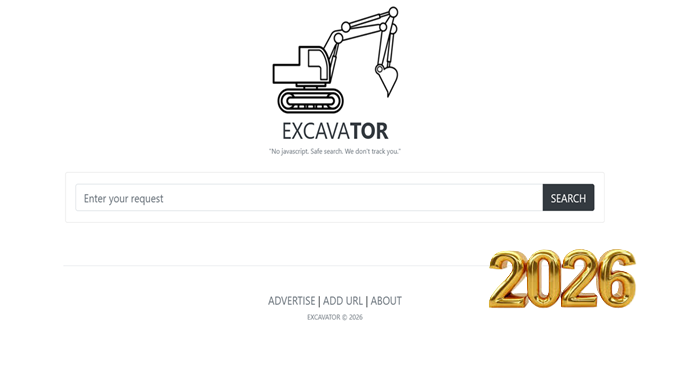
Finding reliable, secure entry points to hidden network layers requires specialized infrastructure. In 2026, investigative journalists, threat intelligence analysts, and security researchers increasingly rely on indexing tools to parse unindexed spaces responsibly. Tools like the Excavator deep web search site have become essential components of modern digital investigation setups.
This comprehensive operational security (OpSec) review covers everything from server-side mechanics to specific strategies for using the Excavator Tor link safely without compromising your identity metadata.
What is the Excavator Deep Web?
Excavator is a specialized darknet query directory and Tor-based search engine launched around 2019 by anonymous security professionals. It focuses strictly on crawling, indexing, and validating active .onion destinations while maintaining a design architecture centered around user anonymity and structural efficiency.
Unlike standard clearweb search engines, Excavator operates entirely within hidden service protocols. It does not look at tracking scripts or user-agent behaviors to alter indexing rankings. Instead, it offers a raw, largely unfiltered look at historical darknet records. However, because it relies heavily on continuous scraping of highly volatile networks, queries frequently turn up high volumes of dead nodes alongside valid query listings.
The Importance of Dark Web Search Engines
The Tor network does not possess a centralized Domain Name System (DNS) registry. Hidden service addresses are automatically generated cryptographic strings that are impossible to predict organically. Furthermore, these addresses rotate frequently due to routine maintenance or mitigation strategies against Distributed Denial of Service (DDoS) attacks.
Academic research highlights that darknet environments suffer from high network churn. Studies published in the International Journal of Research and Analytical Reviews (IJRAR) indicate that numerous hidden service domains disappear or change nodes within brief operational windows. Without programmatic indexers to track these shifts, field researchers would have to rely on manually curated directories, heavily limiting the scope of threat analysis and investigative reporting.
The platform operates via a long-standing hidden service routing vector:
http://2fd6cemt4gmccflhm6imvdfvli3nf7zn6rfrwpsy7uhxrgbypvwf5fad.onionFor high-level clearweb validation or asset verification, researchers often check the clearnet mirror at excavator.live before transitioning to an isolated operating system environment. Unlike older legacy engines, Excavator utilizes zero client-side tracking, logs no incoming IP footprints, and maintains an internal layout built for low-bandwidth routing profiles.
Key Features of Excavator vs Torch Dark Web Search
While both tools serve critical discovery roles, their structural priorities differ significantly. Choosing the correct engine depends entirely on your specific research objective and risk profile.
| Feature Protocol | Torch Darkweb Search Engine | Excavator Search Engine |
|---|---|---|
| Monetization | Banner Ads (Unverified .onion destinations) | Clean UI (Strictly filtered or zero ad blocks) |
| JavaScript Dependencies | None Required | None Required (Strict zero-script structure) |
| Query Speeds over Tor | Moderate (Impacted by ad-server calls) | High (Minimalist codebase footprint) |
| Content Filtering | Minimal Filtering for Legacy Entries | Aggressive Safe Search Protocols |
| Encryption | Moderate | High |
| User-Friendly Interface | Moderate | Simple |
| Year Established | 2004 | 2019 |
| Accessibility | .onion sites only | .onion sites only |
Is Excavator Search Safe to Use?
Using Excavator search engine itself is generally safe, but the links it provides may not be.
When browsing the dark web via Excavator:
- Avoid downloading unknown files
- Never reuse passwords
- Be cautious of phishing clones
- Verify links through multiple sources
- Be Wary of Ads
- Use a strong VPN for added security
- Even experienced users rely on multiple verification methods before trusting a hidden service.
How to Access Excavator Safely and Anonymously
Accessing hidden networks safely requires proper setup. Follow these critical steps to configure your research environment before querying darknet search databases:
- Acquire Verified Binaries: Download the Tor Browser installer exclusively from the official site at
torproject.org. Never utilize third-party repositories. - Configure a Zero-Script Baseline: Launch the browser and immediately adjust your global security level to "Safest". This action disables all JavaScript execution, protecting your machine against remote browser exploits.
- Enforce Endpoint Verification: Cross-reference your target search engine address using trusted clearweb discovery platforms such as Torzle.app before connecting. This verification prevents connection to lookalike phishing clones.
Best Practices for Searching the Dark Web
Searching hidden service protocols requires a complete departure from normal clearweb behaviors. Implement these rules to prevent accidental identity leaks:
- Sanitize Search Strings: Never include usernames, real-life names, localized jargon, or unique topics that could link your clearweb profile to your darknet session.
- Accessing information censored by governments or institutions
- Threat intelligence gathering and monitoring for data leaks
- Secure channels for whistleblowers and investigative journalists
- Academic research and archival discovery
- Privacy-focused community discussions
Types of Hidden Sites Found in the Excavator Deep Web
Excavator indexes a range of .onion content including privacy forums, independent news outlets, secure file-sharing services, directories, and anonymity tools. However, its limited filtering means users frequently encounter irrelevant, dead, or risky links.
Benefits of Exploring Hidden Sites
When conducted responsibly, access to Deep and Dark Web resources via tools like Excavator can support:
Risks and Precautions When Navigating the Deep Web
Even with dedicated tools, significant risks persist in 2026: malware distribution, phishing scams, de-anonymization attempts, and exposure to illegal or disturbing material. Excavator’s age and lack of robust modern filtering amplify these concerns.
Safer Alternatives: Many experts recommend Ahmia for its content filtering and ethical focus, or simply using the built-in DuckDuckGo search within the official Tor Browser for general privacy-oriented queries. These options provide stronger safeguards against malicious results. Learn more about the different parts of the internet.
Legal Implications of Accessing Hidden Sites
Using Tor and exploring the Deep Web is legal in most countries. However, accessing or engaging with illegal content (such as prohibited materials or services) carries serious legal consequences. Researchers and journalists should document their legitimate purpose and remain compliant with applicable laws.
Ethical Considerations in Deep Web Exploration
Responsible exploration requires clear intent, respect for privacy, avoidance of harm, and a commitment to public interest uses such as journalism and security research. Tools should never support exploitative or criminal activities.
Frequently Asked Questions
What is the excavator search engine?
It crawls specific onion domains to provide a directory that is otherwise impossible to find through standard means.
How to find the dark web using excavator search engine?
To dive into the dark web, you'll need to grab a special browser that prioritizes your privacy, such as the Tor Project. Keep in mind that dark web sites have .onion endings instead of the usual web addresses. Plus, using directory sites or dedicated search engines like Ahmia can really help you find your way around.
What are the main benefits of using excavator search engine?
The key perks of this tool are its straightforward access to hidden resources, improved privacy and anonymity, the chance to explore uncensored content, and the ability to connect with niche communities. It really empowers users to navigate the intricate world of the dark web with ease.
What safety precautions should I take when using excavator search engine??
To enhance your anonymity online, it's a good idea to use a VPN, rely on trusted links, activate antivirus protection on your devices, and always operate within legal limits. This way, you can enjoy a safer experience while exploring the dark web.
Is it illegal to search the dark web with excavator?
While it's not against the law to access the dark web using an excavator search engine, you could run into legal trouble if you decide to use it for illegal activities.
Conclusion: The Future of the Excavator Deep Web
While Excavator helped pioneer accessible Deep Web searching when launched in 2019, its limited updates highlight the evolving challenges of dark web tools in 2026. As surveillance capabilities advance, the need for better-maintained, privacy-first solutions with strong filtering will continue to grow.
Academic research, including Prof. Gautam Mitra’s study in the International Journal of Research and Analytical Reviews (IJRAR) on dark web marketplaces and organized crime, underscores both the value and the real dangers of these environments. Pairing tools like Excavator with rigorous OpSec represents the most responsible approach for journalists, researchers, and privacy-conscious users.
Browse with purpose, verify relentlessly, and prioritize safety above curiosity.