Ahmia Search Engine Review: How the Ahmia Dark Web Search Engine Works
A practical look at Ahmia — one of the better-known .onion search engines — including how it works, what the results are like, and how it compares to other options.
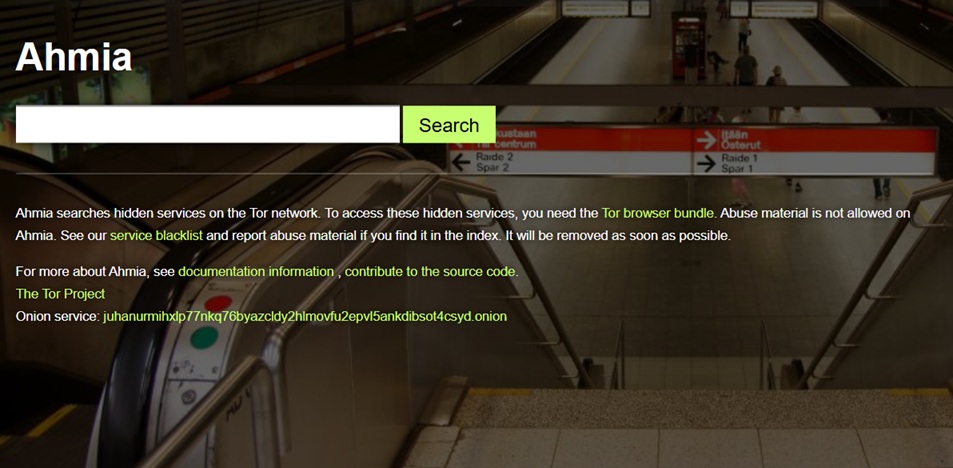
Anyone looking for a dark web search engine runs into the same problem quickly: many older directories are full of dead links, phishing mirrors, or worse. Ahmia aims for a more organized index of publicly reachable onion services. As of 2026, it remains one of the longer-running and more carefully maintained onion search tools still in use.
This review covers what Ahmia does, how its indexing works, what you can realistically expect from results, and how it compares with other options. The aim is practical clarity, not hype.
A quick map helps: the surface web is what ordinary search engines index; the deep web is everything not indexed (private databases, paywalled content, and so on); the dark web is a smaller, intentionally hidden layer that usually needs special software such as Tor. Our guide on the differences between parts of the internet goes deeper on that structure.
This article explains Ahmia as a search and research tool. It does not promote illegal activity or provide instructions for accessing prohibited content.
What Is the Ahmia Search Engine?
Ahmia is a search engine focused on Tor hidden services — sites that end in .onion. It crawls reachable onion pages, indexes titles and text, and returns keyword results in a relatively clean interface. Unlike many unofficial “Hidden Wiki” style lists packed with outdated or malicious links, Ahmia tries to filter known abusive material and dead services.
You can reach Ahmia on the clearnet and as an onion service. The clearnet site is useful for research and checking whether something is currently indexed. The onion version is preferable when you want the whole session to stay inside Tor.
Ahmia does not claim to index every onion site. Many hidden services stay private or circulate only in closed groups. What it does index is a useful sample of publicly reachable services that its crawlers can find and that pass its filters.
Official Ahmia Addresses
Always verify the address before use. Fake clones appear regularly, and the project itself warns about man-in-the-middle copies.
- Clearnet: https://ahmia.fi/
- Official onion (Tor Browser only): confirm the current address on ahmia.fi — the legitimate onion address is listed there by the project.
Treat any unfamiliar address that claims to be Ahmia as untrusted until you match it against the official clearnet site. That is the safest way to confirm the live onion link.
How Ahmia Works
Ahmia runs crawlers over the Tor network. Those crawlers collect page titles, descriptions, and some body text, then add pages to an index. When you search, Ahmia queries that index and returns matches.
In simple terms, the process works like this:
- Discovery — Crawlers learn about
.onionaddresses from links on pages they already know, public submissions, or other visible signals. There is no complete public list of every hidden service, so discovery is always partial. - Fetching over Tor — Crawlers request those addresses through Tor. If a service is online and allows the crawler, Ahmia can collect page titles, text, and related content.
- Extraction and indexing — Useful fields such as title, description, body text, and URL are parsed and added to an index so keyword searches can return matches.
- Filtering and cleanup — Rules aim to reduce known abusive material and remove dead or unreachable addresses over time. No automated filter catches everything.
- Search results — When you search, Ahmia queries that index. It does not crawl the entire Tor network from scratch on every request.
Onion sites appear and vanish quickly, so any index will lag reality. Ahmia’s ongoing crawl and cleanup make it more usable than most static directories, but you still need to verify important links yourself.
How to Use Ahmia More Safely
Ahmia is only as safe as how you access it:
- Use the official Tor Browser (or another well-hardened Tor setup). Do not open
.onionaddresses in a normal browser. - Prefer the onion version of Ahmia when you want the session fully on Tor.
- Keep the Tor Browser security level at least at Safer; use Safest if you do not need JavaScript.
- Treat every result with caution — filtered indexes can still include phishing pages or malicious downloads.
- Avoid personal logins and untrusted downloads while exploring hidden services.
Operational habits matter more than any single search tool. For a wider toolkit, see best privacy tools and DuckDuckGo privacy protection.
Ahmia vs Other Dark Web Search Options
- Ahmia — Stronger focus on filtering, relatively clean results, clearnet and onion access. A solid starting point for general research.
- Torch — Older and often broader index; more results, more noise. See Torch search techniques.
- Other crawlers and directories — Tools such as those discussed around Excavator can surface different sites; quality varies widely.
- Static lists (old Hidden Wiki style) — Convenient but often outdated and full of phishing mirrors. Treat as historical references, not primary search. See Hidden Wiki guides.
Ahmia tends to be cleaner. Torch and similar engines may find more pages but need heavier manual checks. No dark web search engine is complete or fully safe.
Ahmia vs Other Search Methods
Ahmia is one way to discover publicly indexed onion services. It differs from both mainstream search and hand-maintained directories.
| Feature | Ahmia | Traditional search engines | Static onion directories |
|---|---|---|---|
| Primary purpose | Index publicly reachable Tor onion services | Index the public internet | Manually collected onion link lists |
| Content indexed | Discoverable onion pages crawled into the index | Surface-web pages and documents | Only links maintainers added |
| Updates | Automated crawling | Large-scale web crawlers | Often manual or community-driven |
| Search model | Keyword search over indexed onion content | Advanced ranking, filters, personalization | Browse by category or list |
| Coverage | Limited to reachable, indexed services | Broad public-web coverage | Incomplete; often stale |
| Link reliability | Cleaner than many unmanaged lists; still needs verification | Generally higher for established sites | Links break or turn malicious often |
| Privacy focus | Built around onion services | Most major engines track or personalize | Depends on the operator |
| Tor required for .onion | Yes | No (normal sites) | Usually yes |
| Main limitation | Incomplete coverage; results not automatically trustworthy | Does not index private onion services | Outdated entries; weak verification |
What Ahmia Is Good For (and What It Is Not)
Useful for:
- Researchers and journalists looking for publicly reachable onion sites
- A less noisy starting point than old static link lists
- Checking whether a service is currently indexed and reachable
Not designed for:
- Finding private or invitation-only hidden services
- Guaranteeing that every result is safe or legitimate
- Replacing solid operational security
Like any tool that indexes Tor-visible content, Ahmia can surface both legitimate privacy projects and harmful material. How it is used is the user’s responsibility.
Practical Tips When Searching with Ahmia
- Use specific keywords — broad terms return a lot of low-value pages.
- Cross-check important .onion addresses against multiple sources when you can.
- Note any last-seen or similar signals if the interface shows them.
- If a result looks too good to be true (especially markets or “credentials”), treat it as a scam until proven otherwise.
- Keep Tor Browser and your system updated.
Some researchers combine Ahmia with other directories or community-verified lists. Discussions of tools such as Tor Taxi sometimes appear in the same context; each source has different strengths and risks. For scam avoidance, see how to avoid Tor scams.
Legal and Ethical Notes
Running Tor and using a search engine such as Ahmia is legal in most countries. What you choose to access is a separate question — some categories of material are illegal regardless of how you found them.
This page is for legitimate research, journalism, security education, and privacy education. Users are responsible for the laws that apply to them.
Frequently Asked Questions
What is the Ahmia search engine?
Ahmia indexes publicly reachable Tor onion services and lets you search that index by keyword. It is a search tool, not a complete map of everything on Tor.
Is Ahmia an official Tor Project service?
No. Ahmia is independent. Tor provides the network; Ahmia runs its own crawling and search.
Does Ahmia index every onion website?
No. Private, temporary, offline, or non-discoverable services will not appear. Crawlers only see what is reachable and allowed into the index.
Is Ahmia safe to use?
It is a search interface, not a safety guarantee. Results can include outdated or hostile pages. Verify sources and keep strong Tor and device habits.
Can I use Ahmia without Tor Browser?
The clearnet site can load in a normal browser, but opening .onion results still requires Tor-compatible software. Tor Browser is the usual choice.
How is Ahmia different from Google?
Google indexes the public web. Ahmia focuses on publicly accessible onion services, which use a different addressing model and are largely invisible to mainstream crawlers.
Why do some Ahmia results stop working?
Onion services change addresses, go offline, or disappear without notice. Indexes always lag that churn.
Is Ahmia the dark web?
No, Ahmia is not the dark web itself; it is a public-facing search engine that indexes and helps users find websites on the Tor network (commonly called the dark web).
Is using Ahmia legal?
Using privacy tools and search is legal in many places. Illegal content and activity remain illegal regardless of the search engine.
Final Thoughts
Ahmia remains one of the more usable, carefully filtered onion search engines available in 2026. It will not show everything on Tor, and it cannot protect you from every bad link — but it usually produces less noise than older static directories.
For research or other legitimate needs, it is a reasonable place to start: access it through Tor, keep security settings high, and verify anything important independently.
More on privacy tools, Tor, and related search options is on Torzle.