Canada Seizes CA$139 Million in Cocaine and Meth Investigation
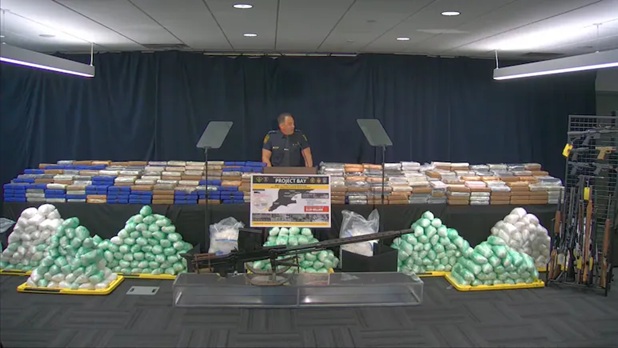
Canadian law enforcement agencies announced one of the largest drug investigations in Ontario's recent history after seizing illegal drugs worth more than CA$139 million. The investigation, known as Project Bay, resulted in the recovery of large quantities of cocaine, methamphetamine, opium, firearms, cash, and other evidence connected to organized criminal activity.
The case attracted international attention because it involved cooperation between Canadian and American law enforcement agencies. Officials described the operation as a major effort against organized drug trafficking networks operating across borders.
While the large seizure made headlines, the investigation also highlights broader issues including organized crime, black Market drugs, public health, and the importance of harm reduction strategies for communities affected by illegal drug distribution.
Understanding cases like Project Bay also helps people recognize how modern criminal organizations operate, including the use of encrypted communications, international supply chains, and online services that may include dark web market drugs. Learning how these networks work can improve public awareness and encourage safer internet habits. Readers interested in internet privacy and the structure of the web can learn more through this guide explaining the different parts of the internet.
Overview of the Investigation
Project Bay was a long-term investigation involving the Canada Border Services Agency (CBSA), the Ontario Provincial Police (OPP), Windsor Police Service, and several additional Canadian law enforcement organizations. The investigation also received support from United States agencies, demonstrating how international cooperation is often necessary when criminal organizations operate across national borders.
According to Canadian authorities, investigators spent months gathering intelligence, monitoring suspected criminal activity, executing search warrants, and collecting evidence before making arrests. Rather than focusing on individual street-level dealers, Project Bay targeted an organized trafficking network responsible for moving large quantities of illegal drugs.
Officials stated that the investigation led to:
- More than CA$139 million worth of illegal drugs seized.
- Nearly 1.7 tonnes of suspected controlled substances recovered.
- Large amounts of suspected cocaine and methamphetamine confiscated.
- Multiple firearms removed from circulation.
- Cash, vehicles, and additional criminal evidence seized.
- Dozens of criminal charges against numerous suspects.
Large investigations like Project Bay require cooperation between intelligence analysts, border officers, forensic specialists, prosecutors, and police services across multiple jurisdictions. Organized crime groups often use sophisticated transportation methods, financial networks, and communication technologies, making investigations complex and time-consuming.
Timeline of the Drug Bust
Early Intelligence Collection
Authorities first gathered intelligence suggesting that an organized criminal network was transporting large quantities of illegal drugs into and across Ontario. Investigators monitored suspected trafficking routes, financial activity, and communications while building evidence that could support criminal charges.
Joint Agency Cooperation
As the investigation expanded, additional Canadian and American agencies joined the operation. Information sharing between border enforcement officers, local police services, and federal investigators helped authorities better understand the structure of the alleged trafficking organization.
Execution of Search Warrants
Investigators eventually executed multiple coordinated search warrants at various locations. During these searches, officers recovered significant quantities of suspected cocaine, methamphetamine, opium, firearms, ammunition, cash, and electronic devices believed to be connected to the criminal investigation.
Public Announcement
Following the completion of enforcement actions, Canadian authorities publicly announced the results of Project Bay, describing it as one of Ontario's largest drug seizures by estimated value and overall weight.
What Authorities Announced
During the official announcement, law enforcement leaders emphasized that the operation represented months of investigative work involving multiple organizations. Authorities credited close cooperation between domestic and international partners for disrupting a significant organized crime operation.
Officials explained that removing large quantities of illegal drugs from circulation helps reduce the supply available to criminal markets. They also noted that organized drug trafficking frequently involves other criminal offences, including firearms offences, money laundering, violence, and cross-border smuggling.
The investigation also demonstrates the importance of border security. Canada's border agencies work alongside domestic police services to identify suspicious shipments, investigate organized crime groups, and intercept illegal goods before they reach communities.
Authorities encouraged members of the public to report suspicious criminal activity while reminding Canadians that investigations involving organized crime often continue long after initial arrests are announced.
Cocaine and Methamphetamine Seizures
One reason Project Bay received widespread media attention was the enormous quantity of suspected illegal drugs recovered during the investigation. Authorities estimated the total street value at more than CA$139 million, making it one of Ontario's largest drug seizures in recent years.
What Is Cocaine?
Many readers ask, what is Cocaine and why do law enforcement agencies devote extensive resources to stopping its trafficking?
Cocaine is a powerful stimulant drug produced from coca plant leaves. It affects the central nervous system by increasing dopamine levels in the brain, creating temporary feelings of energy, confidence, and alertness. However, cocaine also carries significant health risks, including addiction, cardiovascular problems, stroke, overdose, and mental health complications.
Because cocaine is classified as a controlled substance in Canada, producing, importing, trafficking, or distributing it without authorization is a criminal offence.
Methamphetamine Drugs
Methamphetamine drugs, commonly called meth, are another highly addictive class of stimulants frequently encountered during major drug investigations. Methamphetamine can be manufactured illegally in clandestine laboratories or trafficked across international borders.
Long-term methamphetamine use may contribute to serious physical and psychological health problems, making it one of the most dangerous categories of hard drugs encountered by healthcare professionals and law enforcement agencies.
Large-scale seizures like those made during Project Bay are intended to disrupt organized criminal supply chains before these substances reach communities across Canada.
How Organized Drug Networks Operate
Modern organized crime groups rarely rely on a single transportation method. Instead, they often use multiple routes, vehicles, financial intermediaries, and communication systems to move illegal products while attempting to avoid detection.
Investigators around the world have also reported that some criminal organizations advertise or coordinate sales through encrypted messaging services and hidden online marketplaces. While not every trafficking operation relies on online platforms, the growth of dark web market drugs has changed how illegal substances can be bought and sold internationally.
People researching online privacy often encounter tools such as the torch search engine, which indexes some content available through the Tor network. Although privacy technologies have legitimate uses, law enforcement agencies continue working to identify and dismantle criminal marketplaces that misuse anonymous networks for illegal activity.
Readers interested in online privacy and security can also explore privacy protection apps to better understand legal tools that help safeguard personal information online.
Likewise, understanding how anonymous networks function can help users separate legitimate privacy technologies from criminal misuse. For additional background, visit Torzle, which provides educational resources about privacy, the Tor network, and internet safety.
Arrests and Charges
Project Bay resulted in the arrest of numerous individuals alleged to have participated in a large-scale drug trafficking network. According to Canadian authorities, investigators laid more than 100 criminal charges against 21 accused individuals following months of surveillance, intelligence gathering, and coordinated enforcement actions.
The charges include alleged offences related to drug trafficking, possession for the purpose of trafficking, firearms offences, conspiracy, and participation in organized criminal activity. As with any criminal investigation, every accused person is presumed innocent unless proven guilty in court.
News reports also noted that some of those arrested were truck drivers, including individuals of Indian origin. Some online discussions have referred to an "illegal alien truck driver." However, Canadian authorities have not stated that immigration status was a factor in the investigation. The focus of the official investigation is the alleged criminal conduct, not nationality or immigration status. It is important to avoid assuming legal status based solely on media reports.
Investigators also seized:
- 17 firearms and ammunition.
- Large amounts of Canadian currency believed to be connected to criminal activity.
- Multiple vehicles allegedly used during the investigation.
- Electronic devices and additional evidence for forensic examination.
Major organized crime investigations frequently continue even after arrests are announced. Investigators may analyze financial records, digital evidence, and communications while prosecutors prepare criminal cases.
Why This Case Is Significant
Project Bay stands out because of both the quantity of drugs recovered and the number of agencies involved. Nearly 1.7 tonnes of suspected illegal drugs with an estimated value exceeding CA$139 million represents one of Ontario's largest reported drug seizures in recent years.
Large investigations like this have several important goals:
- Reduce the supply of illegal drugs entering communities.
- Disrupt organized criminal networks.
- Seize firearms connected to criminal organizations.
- Recover proceeds believed to come from criminal activity.
- Protect public safety through coordinated law enforcement efforts.
Drug trafficking organizations often operate across provincial and international borders. As a result, successful investigations usually depend on cooperation between border officers, municipal police, provincial police, federal agencies, forensic experts, and international partners.
Authorities also emphasized that dismantling one trafficking network does not eliminate the broader illegal drug trade. Continued investigations, intelligence sharing, and public reporting remain essential components of long-term enforcement strategies.
Public Safety and Community Impact
Illegal drugs affect more than the people who buy or sell them. Communities may experience increased violence, property crime, organized criminal activity, and accidental overdoses linked to the illegal drug supply.
Many substances sold through the black Market drugs trade are not manufactured under safe conditions. They may contain unknown chemicals or be mixed with other dangerous substances without the buyer's knowledge. This uncertainty increases the risk of poisoning and overdose.
Removing large quantities of suspected cocaine and methamphetamine from circulation may reduce the availability of these substances temporarily. However, public health experts note that enforcement alone cannot solve substance use problems. Education, treatment services, prevention programs, and community support also play important roles.
Understanding Harm Reduction
The phrase harm reduction refers to public health approaches designed to reduce the negative consequences associated with drug use. Harm reduction does not encourage illegal drug use. Instead, it focuses on reducing preventable injuries, overdoses, and the spread of infectious diseases while helping individuals access healthcare and treatment services.
Examples of harm reduction initiatives may include:
- Access to addiction treatment.
- Education about overdose risks.
- Community outreach programs.
- Mental health support.
- Emergency overdose response training.
Many governments combine enforcement against organized crime with investments in healthcare and prevention. This balanced approach recognizes that trafficking networks and substance use disorders require different responses.
People who want to better understand drug prevention strategies can also read Ways to Stop Drugs, which discusses prevention, education, and recovery resources.
Drug Trafficking in the Digital Age
Technology has changed many aspects of organized crime. Criminal organizations increasingly use encrypted messaging applications, cryptocurrencies, and anonymous online services to communicate and move money.
Some investigations have uncovered attempts to advertise or distribute illegal products through dark web market drugs platforms. These hidden marketplaces are frequently targeted by international law enforcement agencies, and many have been shut down over the past decade.
Although privacy-focused technologies have many legitimate uses, authorities continue monitoring how criminal organizations misuse them for illegal purposes. Public education about cybersecurity and responsible internet use remains an important part of preventing online crime.
Frequently Asked Questions
How much was seized during Project Bay?
Canadian authorities reported seizing nearly 1.7 tonnes of suspected cocaine, methamphetamine, opium, and other illegal drugs with an estimated street value of more than CA$139 million.
Which agencies participated in the investigation?
The investigation involved the Canada Border Services Agency, the Ontario Provincial Police, Windsor Police Service, and several additional Canadian and United States law enforcement agencies.
What is cocaine?
Cocaine is a powerful stimulant that affects the central nervous system. Because it has a high potential for addiction and serious health risks, it is regulated as a controlled substance in Canada.
Why is methamphetamine considered dangerous?
Methamphetamine is a highly addictive stimulant associated with serious physical and mental health risks, including cardiovascular complications, addiction, and long-term neurological effects.
What are black market drugs?
Black market drugs are illegal substances produced, transported, or sold outside regulated legal systems. Because they are not subject to quality control, their composition and strength are often unknown.
Does law enforcement alone stop drug trafficking?
Law enforcement can disrupt organized criminal networks and seize illegal drugs, but experts generally agree that prevention, education, treatment, and harm reduction are also important parts of reducing drug-related harm.
Final Thoughts
Project Bay demonstrates the scale and complexity of modern organized drug trafficking investigations. Through cooperation between Canadian and international agencies, authorities removed a significant quantity of suspected cocaine, methamphetamine, firearms, and other evidence from circulation while laying numerous criminal charges.
Although investigations like this can disrupt criminal organizations, long-term progress also depends on public awareness, prevention, healthcare, and community support. Understanding how illegal drug markets operate helps individuals make informed decisions and encourages safer communities.
As organized crime continues to evolve, governments, law enforcement agencies, healthcare professionals, and local communities will all play important roles in addressing the challenges posed by illegal drug trafficking and protecting public safety.