🕵️ Top Onion Search Engines for Dark Web Access
The dark web is a part of the internet that remains hidden from regular search engines.
The dark web is a mysterious part of the internet. It is not indexed by traditional search engines like Google.
To explore this hidden realm, onion search engines are essential tools. They help users navigate the dark web safely and anonymously.
These search engines are designed to find unindexed websites. They offer a gateway to a world of information not available on the surface web.
Popular onion search engines include Ahmia, Torch, and DuckDuckGo's onion version. Each has unique features and strengths.
Ahmia is known for its user-friendly interface. Torch is one of the oldest and most comprehensive options.
DuckDuckGo's onion version offers privacy-focused search capabilities. It does so without tracking users.
Using a VPN with Tor can enhance privacy and security. This combination is crucial for safe dark web exploration.
Understanding how onion search engines work is vital. It ensures a secure and informed journey into the dark web.
Understanding the Dark Web and Onion Search Engines
The dark web is a part of the internet that remains hidden from regular search engines. It requires special tools for access.
Unlike the surface web, it is intentionally unindexed. This part of the internet thrives on privacy and anonymity.
Onion search engines serve as the key to this concealed world. They are specifically designed to navigate the complex landscape of the dark web.
These engines use unique algorithms to index content not visible on the regular web. They provide users with a means to search securely and privately.
Key Features of Onion Search Engines:
- Indexing of unindexed websites
- Anonymity-focused search capabilities
- Specialized algorithms for dark web content
Onion search engines run on the Tor network. Tor, short for The Onion Router, enables secure and anonymous browsing.
Users can access the dark web through deep web browsers like the Tor Browser. These browsers connect through multiple nodes to mask user locations.
Understanding the difference between the deep web and the dark web is important. The deep web includes all unindexed content, while the dark web is a small portion. Using onion search engines can be a safe way to explore this fascinating and hidden universe.
How Onion Search Engines Work
Onion search engines operate on the Tor network, which anonymizes user activity. This network uses layered encryption to provide privacy.
Traditional search engines rely on web crawlers to index sites. Onion search engines, however, must navigate complex layers of the dark web.
The Tor network uses nodes to mask users' IP addresses. Each node acts as a relay, adding another layer of encryption to the data.
Key Elements in the Function of Onion Search Engines:
- Use of Tor's anonymizing technology
- Specialized algorithms for hidden content
- Multi-layered encryption for user privacy
The unique structure of onion sites uses a ".onion" domain. These domains are not accessible through conventional browsers.
Rather than connecting directly, connections are routed through multiple servers. This system ensures that user data remains private and difficult to trace.
By understanding these mechanics, users can better navigate the dark web safely and securely. Onion search engines are essential tools for accessing restricted information.
Key Differences: Surface Web vs. Dark Web Search Engines
The surface web is the part of the internet indexed by standard search engines. These search engines use web crawlers to follow links and index content.
Dark web search engines, however, are designed for a different environment. They access sites that are hidden and not indexed by mainstream methods.
Core Differences Between Surface and Dark Web Search Engines:
- Indexing methods: Surface uses crawlers; dark uses specialized techniques
- Accessibility: Surface is open; dark requires Tor
- Privacy focus: Higher in dark web engines
Comparison of Surface Web and Dark Web Search Engines
| Feature | Surface Web Search Engines | Dark Web Search Engines |
|---|---|---|
| Popular Examples | Google, Bing, DuckDuckGo, Yahoo | Ahmia, Torch, Haystak, Tor66, Torzle |
| Content Indexed | Public websites (.com, .org, .net) | .onion websites and hidden services |
| Access Method | Regular web browsers | Tor Browser required |
| Search Results | Highly indexed and ranked pages | Limited and constantly changing indexes |
| User Privacy | Varies by provider | Higher emphasis on anonymity |
| Website Addresses | Standard domains (.com, .edu, .gov) | .onion domains |
| Censorship Resistance | Moderate | High |
| Ease of Use | Very easy | Requires familiarity with Tor |
| Content Availability | Billions of indexed pages | Smaller and less stable ecosystem |
| Primary Purpose | General information and everyday browsing | Anonymous access to hidden services |
| Risk of Malicious Sites | Lower | Higher; caution is required |
| Search Experience | Fast and refined algorithms | More fragmented and experimental |
Standard search engines aim for broad accessibility. They provide quick results and prioritize speed over privacy.
Conversely, dark web search engines prioritize security and privacy over speed. They are crucial for accessing the vast, unindexed parts of the internet.
Understanding these differences is essential for users. It ensures efficient use of the tools suited for their particular needs.
Top Onion Search Engines for Dark Web Access
Navigating the dark web requires specialized tools. Onion search engines are essential for this task. They help users find hidden sites and unindexed content.
These search engines allow safe exploration of the dark web. They provide access to resources unavailable on the surface web. Below are some of the top options for accessing this clandestine part of the internet.
Each offers unique features and functionality. Choosing the right one depends on user needs and preferences for privacy and usability.
1. Ahmia
Ahmia stands out for its user-friendly interface. It makes navigating both the surface and dark web simple. It indexes only legitimate sites, reducing risks.
Ahmia's search engine emphasizes privacy. It does not track user activities, ensuring anonymity. This focus makes it popular among privacy-focused users.
- User-friendly interface
- Searches both surface and dark web
- Prioritizes legitimate content

Ahmia provides filtered results. This feature helps users avoid malicious sites and scams. Its reliable performance makes it a go-to choice for many dark web explorers.
2. Torch
Torch is one of the oldest dark web search engines. Its comprehensive index is invaluable for those seeking in-depth exploration. It hosts a large volume of dark web content.
With a straightforward design, Torch is easy to use. It provides quick access to a wide range of sites. Users appreciate its extensive database and fast results.
- Extensive database
- Fast search capabilities
- Simple and intuitive interface

Torch stands out because of its rapid results. It gives users swift access to both popular and lesser-known sites. Users often find it a reliable tool for deep web browsing.
3. DuckDuckGo (Onion Version)
DuckDuckGo’s onion version is privacy-focused. It’s popular for not tracking users or storing search histories. This makes it a trusted choice for anonymous browsing.
The Onion version offers the same features as its surface counterpart. It combines efficiency with strong privacy measures. Many users appreciate its familiar interface.
- No user tracking
- Protects privacy
- Similar interface to surface version

By maintaining the simplicity of its standard version, DuckDuckGo makes the transition to dark web search seamless. Its commitment to privacy attracts many security-conscious users.
4. Not Evil
Not Evil is a search engine dedicated to keeping users safe. It filters out malicious sites and scam links. Its focus on safety makes it stand out.
The interface is straightforward, promoting easy navigation. Users find relevant results without risking exposure to harmful sites.
- Filters out harmful sites
- Simple navigation
- Dedicated to user safety
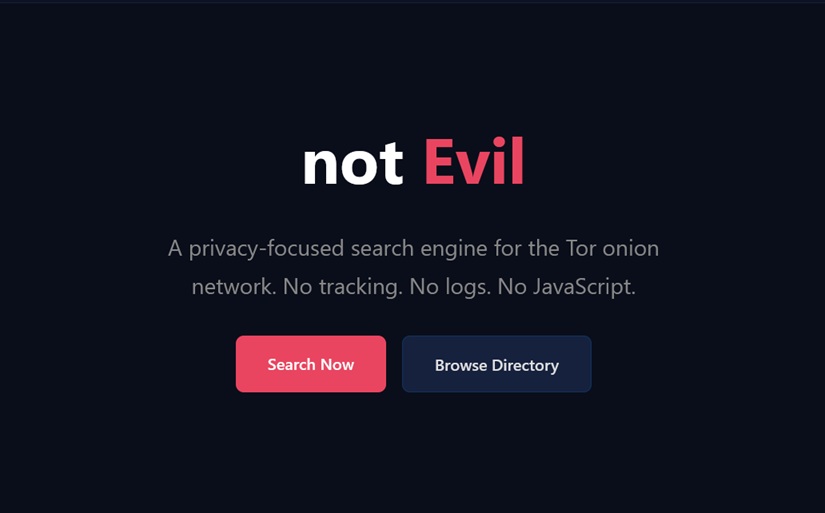
Not Evil also emphasizes community feedback. This input helps improve its index, ensuring users access the safest possible content. It is ideal for cautious explorers.
5. Tor66
Tor66 is known for its rich index of hidden services. It offers a broad spectrum of content, catering to varied interests. Its design is minimalist but effective.
It serves users who need to find specific types of content. Whether looking for forums or marketplaces, Tor66 delivers diverse results.
- Rich index of services
- Minimalist design
- Diversity of content
The engine regularly updates its database. These updates ensure the latest information and links are available, enhancing user experience.
6. DarkSearch
DarkSearch is the go-to choice for a comprehensive dark web experience. It allows users to find valuable dark web material without needing an active Tor connection.
This engine prioritizes user safety. It provides a safe environment by filtering risky sites and links. Users trust its clean, easy-to-use interface.
- Does not require Tor connection
- Filters risky sites
- Clean interface
DarkSearch is also popular among beginners. Its accessible design and safety features make it a good starting point for exploring the dark web.
7. OnionLand Search
OnionLand offers a straightforward approach to finding dark web content. It indexes a wide variety of sites, making it a versatile tool for exploration.
It is highly accessible, providing easy navigation and swift results. Users appreciate its speed and ease of use.
- Wide variety of sites
- Swift results
- Easy navigation
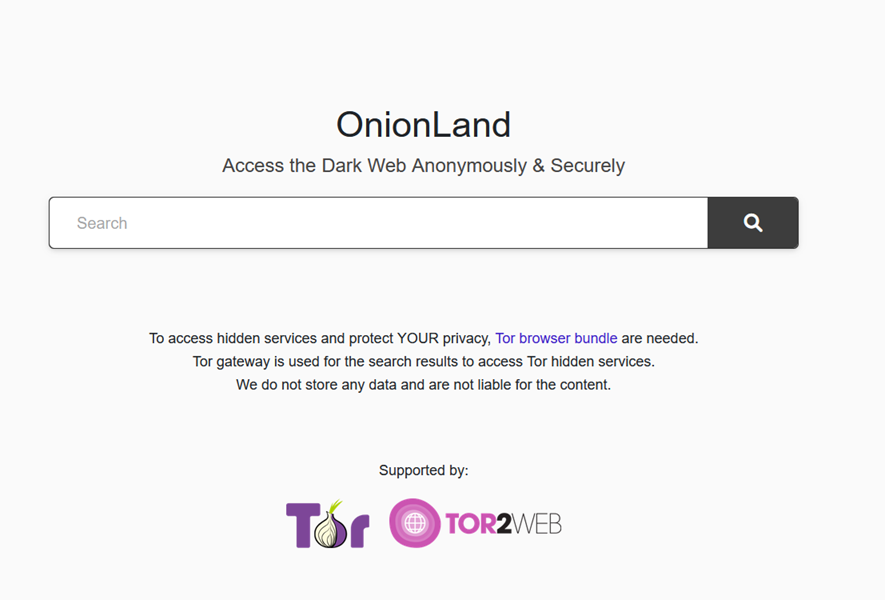
OnionLand also incorporates community insights. This engagement helps improve search accuracy and reflects user needs and experiences.
8. The Hidden Wiki
The Hidden Wiki is a directory of dark web links. It serves as a starting point for many users. Its collection includes various categories and resources.
It's an essential tool for beginners and experienced users alike. Users can explore different areas of the dark web with ease.
- Comprehensive link directory
- Structured categories
- Resourceful starting point

While not a search engine per se, The Hidden Wiki's directory format assists users in discovering new content. Its structured presentation aids efficient navigation.
How to Access Onion Search Engines Safely
Accessing onion search engines requires caution. Start with a reliable tool like the Tor browser. It is designed for navigating the dark web safely.
Before diving in, ensure your system's security settings are optimized. This includes having a robust antivirus program and a secure firewall. Such measures protect against potential threats.
Using a virtual private network (VPN) adds an extra layer of security. A VPN masks your IP address. This enhances anonymity when using onion search engines.
Additional safety tips include disabling scripts and plugins in your browser settings. These can be entry points for malware. Disabling them helps prevent unauthorized access.
- Use Tor browser
- Employ a VPN
- Disable scripts and plugins
Remember, awareness is key. Always verify the legitimacy of sites before opening them. This reduces the risk of encountering scams or malicious content. Browsing responsibly protects both you and your data.
Best Practices for Anonymous and Secure Dark Web Search
Navigating the dark web requires thoughtful precautions. Employing Tor is just the start. Enhancing anonymity involves adopting several key practices.
First, consistently use a VPN alongside Tor. This double-layered approach conceals your online activity. It safeguards against prying eyes.
Refrain from sharing personal information. On the dark web, anonymity is paramount. Never disclose details that could identify you.
Be cautious with downloads. Malicious files can compromise your device and identity. Always verify the trustworthiness of sources before clicking.
Keep your software updated. Regular updates patch vulnerabilities, reducing security risks. This is crucial in maintaining a secure browsing environment.
- Use Tor with a VPN
- Avoid sharing personal details
- Verify download sources
- Update software regularly
Embrace these practices to enjoy a safe, anonymous dark web experience. Constant vigilance ensures you remain protected. Adapting to new threats is essential for secure online exploration.
Legal and Ethical Considerations
Exploring the dark web brings legal and ethical challenges. Not all content there is illicit, but caution is crucial. Understanding applicable laws is vital for responsible browsing.
Illegal activities exist on the dark web. Engaging in or supporting such actions can result in serious legal repercussions. Awareness and adherence to law are essential.
Ethically, using the dark web requires consideration of its impact. While it can serve as a haven for free speech, misuse leads to harm. Balancing rights and responsibilities is key.
- Follow the law
- Avoid illegal activities
- Consider ethical implications
Frequently Asked Questions About Onion Search Engines
Curious about onion search engines?
Here are some common questions and answers to get you started. Understanding these basics can enhance your dark web experience.
What makes onion search engines different?
Unlike regular engines, onion ones access unindexed sites. This makes them essential for dark web navigation.
Are onion search engines safe?
Generally, they offer anonymity, but risks remain. Always ensure your security settings are optimized.
Why are onion links so complex?
They utilize cryptographic systems for safety. This complexity helps maintain the dark web's privacy and security.
- Different from normal engines
- Offer anonymity but have risks
- Utilize complex links for security
Conclusion: Navigating the Dark Web Responsibly
Accessing the dark web requires knowledge and care. Use the right tools and remain vigilant. Onion search engines are valuable, yet proper precautions must be taken.
Stay informed and follow best practices. These help protect your privacy and security. Always ensure your actions comply with legal standards.
By understanding these aspects, you can explore hidden parts of the internet safely. Responsible behavior benefits everyone involved.