Dark Web Marketplace Takedowns: What Happens When Illegal Markets Are Shut Down
Dark web marketplace takedowns regularly make international headlines. Large law enforcement operations often result in seized domains, arrests, and the removal of online platforms associated with cybercrime. While these operations attract significant media attention, many people wonder what actually happens behind the scenes and whether shutting down one marketplace has a lasting impact.
The reality is more complex than a simple shutdown. Modern investigations frequently involve years of international cooperation, digital forensics, financial investigations, and intelligence gathering before authorities take action. At the same time, privacy technologies such as Tor continue to serve legitimate purposes for journalists, researchers, whistleblowers, and individuals living under censorship. Understanding this distinction is essential when discussing the dark web responsibly.
This guide explains how dark web marketplace takedowns generally work, why they matter, what happens after a marketplace disappears, and what everyday internet users can learn from these investigations.
What Is a Dark Web Marketplace?
A dark web marketplace is an online platform accessible through privacy-focused networks such as Tor rather than traditional web browsers. Unlike ordinary websites indexed by Google or Bing, these services typically use .onion addresses that are only reachable through the Tor Browser.
If you are unfamiliar with how these networks differ from the regular internet, our guide explaining the different parts of the internet provides a helpful overview of the surface web, deep web, and dark web.
It is important to separate the technology from its misuse. Privacy networks themselves are legal in many countries and have numerous legitimate applications, including protecting journalists, preserving anonymity, bypassing censorship, and conducting cybersecurity research. Problems arise when individuals misuse these technologies for illegal activities.
Users exploring hidden services often rely on search tools and directories to locate resources. Educational guides covering platforms such as Torch Search, Excavator, or directory resources like the Hidden Wiki explain how discovery works without encouraging unsafe browsing.
Why Authorities Target Dark Web Marketplaces
Law enforcement agencies investigate dark web marketplaces because they are sometimes associated with crimes such as fraud, identity theft, stolen financial information, malware distribution, and other cybercrime activities. These investigations are typically coordinated across multiple countries because servers, operators, victims, and financial transactions often span different jurisdictions.
Rather than focusing solely on shutting down a website, investigators frequently aim to identify criminal organizations, recover digital evidence, assist victims, and disrupt broader cybercrime networks. International cooperation between police agencies, financial investigators, prosecutors, and cybersecurity specialists has become increasingly common over the past decade.
Large investigations may also uncover stolen personal information originating from data breaches. Protecting your online identity through strong passwords, multifactor authentication, and privacy-focused software remains one of the best defenses. Our collection of privacy tools covers practical solutions for improving everyday security.
How Marketplace Takedowns Usually Happen
Contrary to popular belief, marketplace takedowns rarely happen overnight. Many investigations take months or even years before authorities publicly announce a seizure. During this period, investigators gather evidence, analyze financial transactions, identify infrastructure, and coordinate with agencies in multiple countries.
While specific investigative techniques differ from case to case, they generally involve legal processes, digital forensic analysis, and collaboration with internet service providers, hosting companies, and financial institutions. The objective is not only to remove an online service but also to collect evidence that supports criminal prosecutions where appropriate.
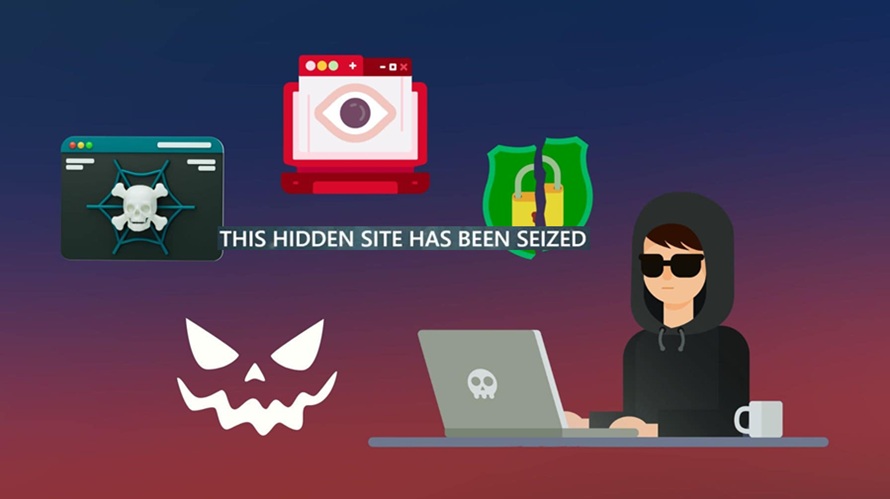
Once an operation concludes, visitors attempting to access the marketplace may instead encounter a seizure notice indicating that authorities have taken control of the domain or infrastructure. In many cases, investigations continue long after the public announcement as evidence is analyzed and additional suspects are identified.
People researching privacy technologies often confuse directories, search engines, and marketplaces. Resources such as Tor Taxi or educational search tools simply help users navigate the Tor network and should not be confused with marketplace platforms themselves.
Understanding how privacy tools function also helps separate legitimate online privacy from criminal misuse. For example, browsers like DuckDuckGo Privacy Browser improve everyday online privacy on the regular web but are entirely different from anonymity networks used to access onion services.
What Happens After a Marketplace Is Taken Down?
When a major darknet marketplace disappears, many people assume the ecosystem has been dismantled. In reality, marketplace closures rarely eliminate cybercrime altogether. Instead, they often trigger a period of migration as vendors, buyers, and administrators move to alternative platforms or create entirely new marketplaces.
Some communities temporarily shift toward invitation-only forums, encrypted messaging platforms, or decentralized trading models while waiting for replacement marketplaces to gain traction. Others simply relocate to long-established directories or search engines that help users discover active hidden services.
For example, researchers monitoring darknet activity frequently use curated directories alongside search tools discussed in our guides on the Hidden Wiki, Torch Search, and Excavator to understand how communities migrate after enforcement actions.

How Researchers Monitor Darknet Marketplaces
Cybersecurity professionals, journalists, and law enforcement agencies continuously monitor darknet marketplaces to understand emerging criminal trends. Their goal is not simply to identify illegal activity, but also to analyze how cybercriminal operations evolve over time.
Researchers commonly examine:
- New marketplace launches and shutdowns.
- Changes in vendor reputation systems.
- Growth in stolen credential listings.
- Ransomware affiliate recruitment.
- Cryptocurrency laundering techniques.
- Fraud trends affecting consumers and businesses.
Much of this work is conducted inside isolated research environments using dedicated virtual machines, privacy-focused operating systems, and strict operational security procedures. Our cryptocurrency and OPSEC guide covers many of the practices professionals use to reduce unnecessary exposure during legitimate investigations.
How to Protect Yourself from Data Appearing on Darknet Markets
Although most people never intentionally visit darknet marketplaces, stolen information from ordinary users frequently appears there after large-scale data breaches. Usernames, passwords, financial records, and personal information may be sold repeatedly across multiple criminal forums.
Fortunately, there are several practical ways to reduce your risk.
- Use a unique password for every online account.
- Enable multi-factor authentication whenever available.
- Monitor financial statements for suspicious transactions.
- Update passwords immediately after major data breaches.
- Avoid downloading files from unknown sources.
- Keep operating systems and browsers fully updated.
- Use privacy-focused browsers and tracker protection.
Many users also reduce their overall digital footprint by switching to privacy-first tools. Our guide to DuckDuckGo Privacy Protection explains how tracker blocking, private search, encrypted connections, and email protection can limit unnecessary data collection during everyday browsing.

Common Myths About Darknet Marketplaces
Myth 1: Everything on the Dark Web Is Illegal
The dark web contains both lawful and unlawful content. Privacy-focused communication platforms, whistleblower portals, secure journalism resources, and censorship-resistant websites all exist alongside criminal marketplaces.
Our guide explaining the differences between the surface web, deep web, and dark web provides additional context.
Myth 2: Marketplace Takedowns End Cybercrime
Marketplace seizures can significantly disrupt criminal operations, but history shows that new platforms frequently emerge. The ecosystem continuously adapts, making international cooperation essential for long-term disruption.
Myth 3: Visiting the Dark Web Automatically Makes You Anonymous
Simply using Tor does not guarantee anonymity. Browser fingerprinting, operational mistakes, malware, and poor security practices can still expose users. Privacy requires layered protections, careful browsing habits, and understanding operational security.
Frequently Asked Questions
Are darknet marketplaces illegal?
Operating or facilitating illegal marketplaces is unlawful in most jurisdictions. However, researching darknet activity, cybersecurity threats, or privacy technologies for legitimate purposes is generally legal, provided local laws are respected.
Why do darknet marketplaces disappear so often?
Closures occur for many reasons, including international law enforcement operations, exit scams, technical failures, internal disputes, or financial problems.
Can stolen personal information really be sold online?
Yes. Criminal marketplaces commonly advertise compromised credentials, payment card information, and identity documents obtained through phishing campaigns, malware, or large corporate data breaches.
How can I know whether my information has been compromised?
Watch for breach notifications, unusual account activity, unexpected password reset emails, or unauthorized financial transactions. Using unique passwords and enabling multi-factor authentication helps minimize damage.
Is researching darknet marketplaces legal?
Academic researchers, journalists, cybersecurity professionals, and law enforcement agencies routinely study darknet activity for legitimate purposes. The legality depends on your actions, local laws, and whether you engage in illegal transactions.
Conclusion
Darknet marketplace takedowns remain one of the most effective ways to disrupt organized cybercrime, but they rarely eliminate it entirely. History has shown that when one marketplace is seized or shuts down, vendors and buyers often migrate to new platforms, making the darknet an ecosystem that constantly evolves rather than disappears.
For cybersecurity professionals, journalists, researchers, and privacy advocates, understanding how these marketplaces operate provides valuable insight into emerging cyber threats, fraud trends, ransomware activity, and the underground economy. Studying these platforms responsibly helps improve defensive security, threat intelligence, and public awareness.
For everyday internet users, the biggest lesson is that protecting your personal information should start long before it ever appears in a data breach. Using strong unique passwords, enabling multi-factor authentication, keeping software updated, and adopting privacy-focused tools can significantly reduce your exposure to identity theft and online fraud.
If you're interested in learning more about privacy, anonymous browsing, and legitimate dark web research, Torzle offers a growing collection of guides covering everything from the differences between the surface web, deep web, and dark web to privacy tools, Tor search engines, operational security, and trusted resources for secure online exploration.
Understanding the darknet is not about sensationalism—it's about understanding how modern cybercrime operates, how investigators respond, and how individuals can better protect themselves in an increasingly connected world.