Dark Web Drug Buying: What You Should Know (2026 Guide)
Introduction
The phrase dark web drug buying is searched thousands of times every month by people who are curious about how darknet marketplaces operate. Some are researching cybersecurity, while others have heard stories about anonymous online marketplaces and want to understand how they work. Whatever the reason, it is important to separate internet myths from reality.
The modern dark web is very different from what it was several years ago. Many of the largest dark web drug markets have disappeared after law enforcement investigations, exit scams, or technical failures. New sites regularly appear, but many survive only for a short time before disappearing with users' funds or being taken offline.
This guide focuses on education and online safety rather than facilitating illegal activity. You'll learn why drug marketplaces on the dark web continue to change, the risks commonly reported by researchers, how cryptocurrency is used in these ecosystems, and why scams have become one of the biggest dangers facing visitors.
If you're new to privacy technologies, it also helps to understand how different parts of the internet work before reading about darknet services. Our guide on the differences between the surface web, deep web, and dark web provides useful background.
Likewise, learning how search tools operate inside privacy-focused networks can help explain why darknet content is difficult to index. Read our article about Torch Search technology to understand how hidden services are discovered.
Dark Web Drugs
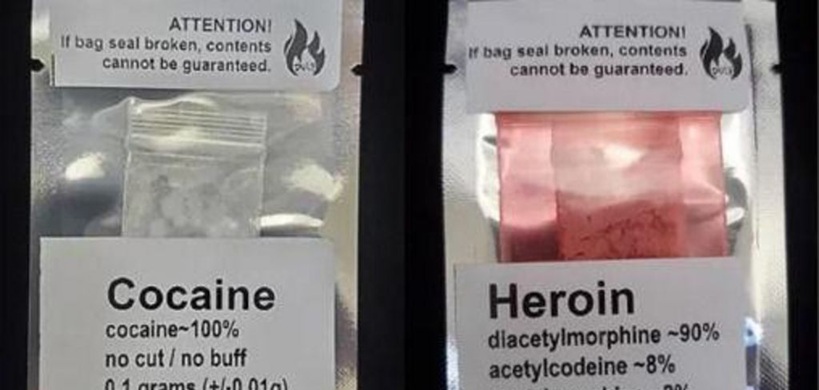
When people discuss buying drugs on the dark web, they are generally referring to illegal marketplaces that operate as hidden services. These websites often resemble legitimate e-commerce platforms, complete with product listings, ratings, shopping carts, and vendor profiles. However, appearances can be misleading, and many listings cannot be independently verified.
Cybersecurity researchers have repeatedly observed that darknet ecosystems are highly unstable. Sites may disappear overnight, vendor identities are difficult to verify, and users have little legal protection if they become victims of fraud. Unlike conventional online shopping, there is usually no customer support, refund policy, or trusted dispute process.
Many marketplaces attempt to build trust by displaying customer reviews or seller reputation scores. While these systems may appear convincing, they can be manipulated through fake accounts, coordinated review campaigns, or fabricated transaction histories. As a result, reputation alone should never be considered reliable evidence of legitimacy.
Another important reality is that the quality and identity of substances sold online are frequently unknown. Independent public health agencies and forensic laboratories have documented cases where products marketed under one name contained entirely different substances or dangerous contaminants. This unpredictability significantly increases the risks associated with illegal online drug markets.
From a cybersecurity perspective, visitors also face threats beyond the products themselves. Fake login pages, phishing sites, malware, identity theft, and cryptocurrency scams are common. Criminal groups often target other criminals, creating an environment where deception is routine.
Understanding online privacy tools is useful for cybersecurity education. Our guides covering privacy tools and privacy-focused search practices explain legitimate ways individuals can improve online privacy without engaging in illegal activities.
Understanding Drug Marketplaces
The term darknet marketplaces describes hidden websites that attempt to function as anonymous online marketplaces. While some advertise a wide variety of illegal goods, many become known primarily because of drug-related listings. Their operators often claim to offer privacy and anonymity, but those claims should not be interpreted as guarantees.
Researchers studying darknet drug markets have identified several recurring characteristics:
- Anonymous account registration.
- Pseudonymous vendor identities.
- Cryptocurrency-based payments.
- Encrypted communications.
- Reputation systems that can sometimes be manipulated.
- Frequent domain changes or complete shutdowns.
Although these features may resemble legitimate online marketplaces, they exist in an environment with virtually no consumer protections. If a marketplace disappears, users typically have no legal avenue to recover funds or verify what happened.
Researchers also note that many websites claiming to be famous darknet marketplaces are actually phishing copies created to steal login credentials or cryptocurrency. This has become increasingly common as older marketplaces close and new ones emerge.
If you're researching how hidden services are indexed and categorized, our articles on the Hidden Wiki, Excavator search, and Tor Taxi provide educational overviews of these well-known navigation resources and the security risks associated with relying on them.
In the next section, we'll examine why dark web drug markets frequently disappear, the role of law enforcement operations, and why exit scams have become one of the defining characteristics of today's darknet ecosystem.
Why Dark Web Drug Markets Keep Disappearing
One of the biggest misconceptions about dark web drug markets is that they are stable, anonymous businesses. In reality, most marketplaces have relatively short lifespans. Some operate for only a few months before disappearing, while others last several years before shutting down unexpectedly.
There are several reasons why darknet drug markets frequently vanish:
1. Law Enforcement Operations
Law enforcement agencies around the world continue to investigate illegal online marketplaces. International cooperation has led to the seizure of servers, arrests of marketplace operators, and takedowns of well-known darknet platforms. As technology evolves, investigators also improve their methods for identifying criminal networks operating online.
2. Exit Scams
An exit scam occurs when marketplace operators suddenly shut down their website while keeping users' cryptocurrency deposits. Since these platforms operate outside the law, affected users typically have no legal way to recover lost funds. Exit scams have become one of the most common reasons marketplaces disappear.
3. Internal Conflicts
Some marketplaces collapse because of disagreements between administrators, developers, moderators, or vendors. These disputes may lead to service outages, leaked information, or the permanent closure of the platform.
4. Cyberattacks
Ironically, illegal marketplaces are frequent targets of cybercrime themselves. Distributed denial-of-service (DDoS) attacks, database breaches, phishing campaigns, and ransomware can all disrupt operations or permanently damage a site's reputation.
5. Loss of Trust
Trust is difficult to maintain in anonymous environments. Reports of missing funds, fake vendors, account theft, or compromised administrator accounts can quickly drive users away. Once confidence is lost, many marketplaces struggle to recover.
For cybersecurity researchers, these recurring shutdowns demonstrate an important lesson: anonymity technologies do not eliminate operational, financial, or legal risks. Instead, they often create environments where uncertainty is even greater than on the public internet.
Dark Web Drug Scams Explained
Anyone researching buying drugs on the dark web will quickly discover that scams are discussed almost as often as the marketplaces themselves. Cybersecurity experts consistently warn that fraud is one of the defining characteristics of illegal online markets.
Some of the most common scams include:
Fake Marketplace Websites
Criminals frequently clone the appearance of well-known darknet marketplaces to steal usernames, passwords, or cryptocurrency. These phishing websites often look nearly identical to the originals, making them difficult for inexperienced users to distinguish.
Impersonation Scams
Scammers may pretend to be trusted vendors, administrators, or support staff. Their goal is typically to convince users to send cryptocurrency or reveal sensitive account information.
Fake Reviews
Although reputation systems appear helpful, reviews can sometimes be fabricated or manipulated. Coordinated fake feedback may create the illusion that a vendor is reliable when no independent verification exists.
Counterfeit or Misrepresented Products
Independent public health organizations have repeatedly warned that products sold through illegal online channels may not match their advertised descriptions. Laboratory testing has found examples of unexpected ingredients, contaminants, or substances with significantly different potency than claimed.
Identity Theft
Some scam operations are less interested in financial fraud than in collecting usernames, passwords, email addresses, or cryptocurrency wallet information. Stolen credentials may later be sold or used in additional cybercrime.
Malware Distribution
Downloads advertised as secure communication tools, encrypted files, or marketplace software may instead contain malicious code designed to compromise a visitor's device or steal sensitive information.
These risks reinforce an important cybersecurity principle: anonymous environments do not automatically provide safety. Criminals frequently target other criminals, creating an ecosystem where deception is widespread and trust is extremely limited.
To better understand how online scams extend beyond darknet marketplaces, you may also find our article on Telegram hacking channels and related scams useful, as many fraudulent schemes move across multiple platforms.
Cryptocurrency and Darknet Transactions
Cryptocurrencies are commonly associated with discussions about darknet marketplaces, but they are also widely used for many legitimate purposes, including international payments, decentralized finance, and digital investments. The technology itself is legal in many jurisdictions, although its use for illegal activities is not.
One common misconception is that every cryptocurrency transaction is completely anonymous. In reality, many public blockchains permanently record transaction histories. Blockchain analysis companies and investigators can often examine these records to identify patterns, trace the movement of funds, or support criminal investigations.
Privacy-focused cryptocurrencies attempt to reduce the visibility of transaction details, but this does not guarantee complete anonymity or immunity from investigation. Users should avoid assuming that cryptocurrency removes legal or cybersecurity risks.
For readers interested in legitimate cryptocurrency privacy and security practices—such as protecting wallets, avoiding phishing attacks, and improving operational security for lawful activities—our Crypto OPSEC Guide covers practical defensive recommendations.
From a cybersecurity perspective, the biggest cryptocurrency risks often include:
- Phishing websites that steal wallet credentials.
- Fake wallet applications containing malware.
- Social engineering attacks.
- Investment and giveaway scams.
- Irreversible transactions sent to fraudulent addresses.
Unlike traditional banking systems, cryptocurrency transactions are generally irreversible once confirmed. That makes careful security practices especially important for anyone using digital assets for legitimate purposes.
In the final section of this guide, we'll compare the commonly claimed "pros" with the documented risks of darknet marketplaces, explain practical ways to avoid purchasing suspicious drugs online, answer frequently asked questions, and provide a balanced final verdict.
```htmlPros and Cons
People searching for information about dark web drug buying often encounter claims about anonymity, privacy, or product variety. However, cybersecurity researchers and public health experts consistently point out that these perceived benefits are outweighed by substantial legal, financial, and personal risks.
| Common Claims | Documented Risks |
|---|---|
| Perceived anonymity | No guarantee of anonymity; investigations and blockchain analysis can identify criminal activity. |
| Large number of vendors | Many listings are fraudulent, duplicated, or disappear without notice. |
| User review systems | Reviews and reputation scores can be manipulated or fabricated. |
| Cryptocurrency payments | Transactions are generally irreversible, making scams difficult to recover from. |
| Global marketplace access | Violates laws in many jurisdictions and may result in serious legal consequences. |
| Convenience | Risk of phishing, malware, identity theft, and financial fraud. |
Ways to Prevent Purchasing Cheap Drugs Online
Many people searching for inexpensive medications online are not intentionally looking for illegal marketplaces. They may simply be trying to save money. Unfortunately, scam websites often exploit this demand by advertising counterfeit or unsafe products.
To reduce your risk:
- Purchase prescription medicines only from licensed pharmacies that operate legally in your country.
- Be cautious of websites offering unusually low prices or "no prescription required" claims.
- Avoid websites that accept only cryptocurrency and provide no verified business information.
- Check that the pharmacy is properly licensed through the relevant national or regional regulator.
- Talk with your doctor or pharmacist about lower-cost generic alternatives if medication costs are a concern.
- Never trust anonymous online reviews as proof that a seller is legitimate.
- Keep your devices updated and use reputable security software to reduce phishing and malware risks.
- Learn basic online privacy and cybersecurity practices to recognize fraudulent websites and scams.
Building strong cybersecurity habits is one of the most effective ways to protect yourself from online fraud. For additional guidance, explore our articles on privacy tools and privacy-focused browsing.
Frequently Asked Questions
Is dark web drug buying anonymous?
No. Although anonymity technologies may provide additional privacy, they do not guarantee that users cannot be identified. Law enforcement agencies regularly investigate illegal online marketplaces using a combination of digital forensic techniques, financial analysis, and international cooperation.
Why do dark web drug markets shut down so often?
Marketplaces commonly disappear because of law enforcement operations, exit scams, internal disputes, cyberattacks, or administrators abandoning the project. Their instability is one of the defining characteristics of the darknet ecosystem.
Are darknet marketplaces full of scams?
Scams are widely reported across darknet marketplaces. Fake websites, phishing pages, fraudulent vendors, manipulated reviews, and cryptocurrency theft are all common risks documented by cybersecurity researchers.
Can cryptocurrency payments be reversed?
In most blockchain networks, confirmed cryptocurrency transactions cannot be reversed. This is why scammers frequently demand payment using digital assets, as victims often have little chance of recovering lost funds.
How can I stay safe from fake online drug websites?
The safest approach is to avoid unlicensed sellers altogether and obtain medications only through legitimate healthcare providers and licensed pharmacies. If a website promises unrealistic prices or anonymous sales, it should be treated with extreme caution.
Final Verdict
Interest in dark web drug buying continues to generate millions of online searches, but the reality behind these marketplaces is far different from popular myths. Modern dark web drug markets are characterized by instability, fraud, phishing attacks, exit scams, legal risks, and ongoing law enforcement attention.
For cybersecurity professionals, journalists, researchers, and privacy enthusiasts, understanding how darknet drug markets operate provides valuable insight into the broader evolution of online crime. At the same time, the overwhelming evidence shows that anonymous marketplaces offer little protection from scams or criminal investigations.
The most effective way to protect yourself is to practice good cybersecurity, verify online information carefully, use legitimate healthcare services, and avoid websites that promise illegal or unrealistic offers. Education and informed decision-making remain the strongest defenses against online fraud.