The internet is far more layered than most users realize. When you browse Google, Wikipedia, or your favorite shopping site, you’re only exploring the Surface Web — represents only a relatively small portion of publicly accessible online content. Beneath it lies the massive Deep Web (password-protected emails, bank accounts, academic databases), and within a small, anonymized corner of that is the Dark Web — accessible only via tools like the Tor network using .onion domains.
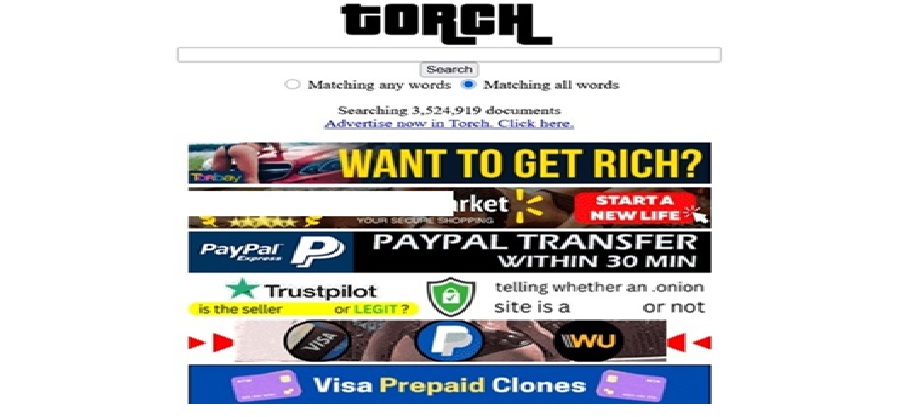
Torch (often called the Torch darkweb search engine) remains one of the longest-running and most recognized search tools on the Dark Web. This guide explores what Torch is, how it works, its strengths and limitations, and why pairing it with curated solutions like Torzle.app provides a safer, more effective experience.
What is Torch?
Torch is a classic Torch darkweb search engine that helps users discover hidden .onion websites on the Tor network. Launched around 2013–2014, it has earned the nickname “Google of the dark web” thanks to its longevity and extensive index. Unlike mainstream search engines, Torch does not heavily censor results. It surfaces a wide spectrum of content — from forums, anonymous blogs, and hidden services to marketplaces and experimental projects.
This uncensored approach makes Torch navegador valuable for researchers, journalists, and privacy enthusiasts who need broad visibility into the Dark Web’s volatile ecosystem. However, that same openness also exposes users to the full, unfiltered reality of the network.
The Importance of Dark Web Search Engines
Without dedicated tools like Torch, navigating the Dark Web would be nearly impossible. Hidden services frequently change addresses, go offline, or use anti-crawling protections. Search engines like Torch act as essential bridges, enabling discovery for legitimate purposes: monitoring threats, accessing censored information, supporting whistleblowing, or conducting investigative research.
In an era of increasing digital surveillance, these tools preserve access to privacy-focused resources. Yet their importance also highlights the need for caution and better curation.
How Torch Navegador Works
Torch crawls the Tor network to discover and index publicly available .onion sites with examples like Hidden Wiki. It uses keyword relevance rather than complex personalization algorithms. When you search, Torch delivers a straightforward list of results with titles, short snippets, and direct .onion links.
- No user tracking or accounts required
- Lightweight, fast-loading design even on Tor circuits
- No JavaScript dependency in basic use
- Continuous crawling of new and established hidden services
While effective, results can include duplicates, outdated links, or noisy entries due to the chaotic nature of the Dark Web.
Key Features of Torch Dark Web Search
- Massive, Long-Running Index: One of the largest collections of .onion pages
- Uncensored Results: Broad coverage without heavy filtering
- Simplicity: Minimalist interface focused purely on search
- Anonymity-Friendly: Built for and runs within the Tor ecosystem
- Daily Updates: Keeps pace with the ever-changing darknet landscape
Understanding Tor Browser Security Levels
- Standard – maximum website compatibility.
- Safer – disables some potentially risky features.
- Safest – disables JavaScript on most websites and offers the highest level of browser hardening.
Limitations of Torch
- Search results may include inactive onion sites.
- No verification of listed websites.
- Duplicate search results are common.
- Minimal spam filtering.
- No reputation scoring.
- Some content may be illegal or malicious.
- Search index changes frequently.
How to Access Torch Safely and Anonymously (Torch Link)
Accessing Torch requires the official Tor Browser:
- Download Tor Browser only from the official Tor Project website (torproject.org).
- Install and launch it, then establish a connection to the Tor network.
- Enter Torch’s current .onion address in the address bar. A well-known historical link is
http://xmh57jrzrnw6insl.onion/— always verify the latest working Torch link from trusted directories. - For enhanced safety, consider a reputable VPN, use Tails OS, and set Tor Browser security to “Safest” (disabling JavaScript).
Why Onion Addresses Frequently Change
Unlike conventional domain names, onion addresses may change when services migrate infrastructure, rotate cryptographic keys, or intentionally replace compromised domains. As a result, users should always verify addresses using trusted directories before visiting them.
Why HTTPS Still Matters on Onion Sites
Although Tor encrypts traffic within the network, HTTPS still provides authentication between your browser and the destination website. HTTPS helps verify that you're communicating with the intended service and reduces certain attack risks if traffic exits the Tor network or if services are accessed through gateways.
Best Practices for Searching the Dark Web
- Enter with a clear purpose and avoid aimless browsing.
- Cross-verify links across multiple sources.
- Never download files from untrusted results.
- Avoid sharing any personal information.
- Keep Tor Browser and your system fully updated.
- Use compartmentalized environments (virtual machines or Tails).
- Treat every link as potentially risky.
Learn more about the best privacy practices for browsing the dark web, including tools and techniques to help protect your identity and improve your online security.
Common Misconceptions About the Dark Web
Many believe the Dark Web is entirely illegal or that simply accessing it is criminal. In reality, while risky content exists, the network also supports legitimate journalism, privacy tools, and forums for activists. Using Tor itself is legal in most jurisdictions — intent and actions matter most.
Legal and Ethical Considerations
Exploring the Dark Web for research or privacy is generally legal, but engaging with illegal content carries serious consequences. Always prioritize ethical use and comply with your local laws.
Potential Risks and How to Mitigate Them
Torch’s uncensored, massive index is powerful but presents clear limitations. Users may encounter illegal listings, scam sites, malware delivery points, or disturbing content with little to no filtering.
Comparison of Popular Dark Web Search Tools
Different search engines and directories serve different purposes. Some prioritize comprehensive indexing, while others focus on verified links, filtering, or educational research. The table below summarizes the strengths and limitations of several well-known options.
| Tool | Primary Purpose | Search Index | Surface Web Access | Best For | Limitations |
|---|---|---|---|---|---|
| Torch | Large .onion search engine | Very large, minimally filtered | No | Finding a wide range of onion services | Can include outdated links, scams, and phishing pages |
| Ahmia | Privacy-focused search engine | Curated and filtered | Yes | Researchers and first-time Tor users | Indexes fewer onion services than Torch |
| Haystak | Dark web search platform | Large index with premium features | No | Advanced searches and investigations | Some features require a paid subscription |
| Excavator | Dark web search and discovery | Indexes selected onion services | No | Finding hidden services and research resources on the Tor network | Smaller index than Torch and results may vary as onion services frequently change or disappear |
| DuckDuckGo (.onion) | Privacy-focused web search | Primarily Surface Web (accessible over Tor) | Yes (.onion and clearnet) | Anonymous web searches without personalized tracking | Not designed to comprehensively index or discover onion services like dedicated dark web search engines |
| Torzle | Educational directory and research portal | Curated resources | Yes | Learning about the Tor ecosystem and discovering verified research resources | Not intended to index every onion website |
No single search engine indexes the entire Tor network. Many onion services deliberately block crawlers, frequently change addresses, or remain private. For research purposes, using multiple trusted sources and verifying onion addresses before visiting them is considered a better practice than relying on a single directory or search engine.
Artificial Intelligence and Dark Web Search
Artificial intelligence is increasingly influencing both legitimate and malicious activity on the dark web. Researchers use AI to classify onion services, identify phishing campaigns, and detect emerging cyber threats. At the same time, threat actors may use AI to generate convincing phishing pages, fraudulent marketplace listings, fake vendor messages, and fabricated reviews.
Because of this, users should independently verify search results rather than relying solely on website descriptions or marketplace reputation.
Who Should Use Torch?
Torch is designed for users who need broad visibility into publicly accessible onion services. Researchers, journalists, cybersecurity professionals, academics, and privacy advocates often use dark web search engines to discover forums, archived content, whistleblowing platforms, and research material.
Users looking for a curated experience may prefer directory-based resources, while experienced researchers often combine search engines like Torch with multiple verification sources before visiting onion services.
To strengthen your operational security, read our Cryptocurrency Security (OPSEC) Guide, which explains how to protect your crypto assets, secure transactions, and maintain privacy while using the Tor network and other privacy-focused tools.
Frequently Asked Questions (FAQs)
1. What is Torch?
Torch is one of the oldest and most widely recognized search engines for the Tor network. It indexes publicly available .onion websites, allowing users to search for hidden services that are not accessible through traditional search engines such as Google or Bing.
2. Is Torch legal to use?
In most countries, using the Tor Browser and accessing the Torch search engine is legal. However, the legality depends on how you use it. Visiting or participating in illegal activities remains unlawful regardless of the platform used. Always follow the laws applicable in your jurisdiction.
3. How do I access Torch safely?
The safest method is to download the official Tor Browser from the Tor Project website, connect to the Tor network, and verify the current Torch .onion address through trusted sources before visiting it. Keeping your browser updated and using the highest Tor security level can further reduce risks.
4. Does Torch search the entire Dark Web?
No. Like every search engine, Torch only indexes websites that its crawler can discover and access. Many onion services block crawlers, frequently change addresses, or intentionally remain private, meaning they will not appear in search results.
5. Is Torch better than Ahmia?
Both serve different purposes. Torch provides a large, relatively unfiltered index of onion sites, while Ahmia focuses on filtering abusive or illegal content and also offers a searchable surface-web interface. Researchers often use both when cross-checking information.
6. Why do Torch links sometimes stop working?
Onion addresses frequently change because websites move to new servers, operators rotate addresses for security, or services go offline permanently. Always verify current links using reputable directories instead of relying on outdated bookmarks.
7. Can I use Torch without the Tor Browser?
No. Torch is hosted as a .onion service and requires the Tor network to access it. Standard web browsers such as Chrome, Firefox, Edge, or Safari cannot directly open onion addresses.
8. Is it safe to click every search result in Torch?
No. Search results may include inactive websites, phishing pages, scam marketplaces, or malicious downloads. Always verify onion addresses, avoid downloading unknown files, and never share personal information unless you fully trust the destination.
9. What are some alternatives to Torch?
Popular alternatives include Ahmia, Haystak, and curated directories that organize verified onion resources. Using multiple sources can improve accuracy because no single search engine indexes the entire Tor network.
10. Where can I learn more about the Tor network and onion services?
If you're new to the Tor ecosystem, explore our guides on the Ahmia search engine, the differences between the Surface Web, Deep Web, and Dark Web, using the Tor Project on desktop and mobile, and our curated Tor research directory for additional educational resources.
Conclusion: The Future of Dark Web Searches
Torch remains a foundational Torch darkweb search engine and a testament to the resilience of the anonymous web. As privacy demands grow, we can expect smarter indexing, better AI-assisted filtering, and stronger integration between raw tools like Torch and curated platforms.
The Dark Web mirrors the complexities of human society — offering both freedom and significant risks. Tools like Torch provide powerful access, but pairing them with safer directories like Torzle.app represents the responsible path forward. Approach with curiosity tempered by caution, verify relentlessly, and prioritize your safety.
Browse wisely, stay anonymous where it matters, and use the best tools for your needs.
Disclaimer: This article is for educational and informational purposes only. Always comply with applicable laws and practice responsible online behavior. Torzle.app does not endorse or facilitate access to illegal content.