Dread Communities Structure: Subdreads, Reputation & Moderation
How Dread is organized as a multi-community forum platform—topic-based subdreads, reputation signals, moderation layers, and how researchers judge what those communities actually produce.
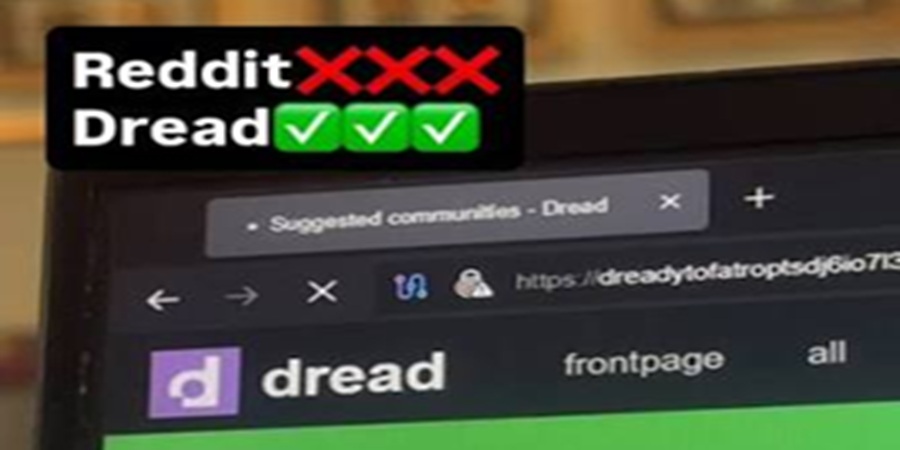
People searching Dread communities, Dread subdreads, or how Dread works often need structure—not an access guide. Dread is best understood as a community platform: many topic-based spaces, each producing different kinds of talk with different reliability.
This hub explains Dread community structure for researchers, journalists, and analysts. For the broader forum overview, use the pillar Dread Forum guide. This page focuses on organization: subdreads, reputation, moderation, and information quality.
Dread is not one uniform forum voice. It is a set of topic communities (subdreads) with local norms, uneven moderation, and reputation signals that affect visibility—not truth.
Torzle does not publish live Dread access links here. Observation of underground forums carries legal and safety limits— safe monitoring, Tor Browser safety basics.
What Are Dread Communities?
Dread is commonly described as a Reddit-like discussion platform associated with the broader Tor and dark-web ecosystem. Its most important structural characteristic is that discussions are divided into topic-oriented communities rather than being presented as one continuous forum.
This distinction matters. A large forum can contain thousands of conversations, but those conversations do not necessarily have the same purpose, audience, rules, or information quality. Topic-based communities create smaller discussion environments where participants can develop shared terminology and expectations.
From an analytical perspective, this means the phrase "Dread community" can refer to several different layers:
- The overall Dread platform.
- A specific topic-oriented community.
- Individual discussion threads.
- Individual posts and replies.
- User reputation and participation signals.
- Moderation rules and enforcement decisions.
Understanding those layers is essential when researching Dread. A claim made in one community should not automatically be interpreted as representative of the entire platform.
For broader context on how different parts of the internet are structured, see Torzle's guide to the differences between the surface web, deep web, and dark web .
What Are Dread Subdreads?
Subdreads are topic-based communities inside Dread—functionally similar to subreddits. Instead of every post living in one shared queue, users browse and post inside subject communities with their own focus and culture.
Typical structural roles include:
- Marketplace discussion spaces — talk about shops, scams, and vendor claims (discussion, not the shop itself)
- General and help communities — platform questions, access panic, recovery chatter— general & help subdreads
- Technical and security talk — tools, OPSEC arguments, threat claims
- Specialized interest groups — narrower topics with smaller, denser norms
Because each subdread is semi-local, “I saw it on Dread” is incomplete sourcing. Researchers should name the community type and context— how subdread moderation works.
How Dread’s Reputation System Works
Dread’s reputation system gives accounts social score signals based on peer feedback and activity patterns. In practice, reputation affects how other users read a poster: higher scores can look more credible; low or new scores can look risky.
What reputation is useful for:
- Spotting brand-new accounts during scam waves
- Comparing relative standing inside a community
- Understanding why some warnings spread faster than others
What reputation is not:
- Proof the poster is honest
- Proof a market or service is safe
- A substitute for independent verification
Scammers can still farm trust, hijack narratives, or exploit help threads— Tor scam patterns, scam detection techniques.
How Dread Communities Are Moderated
Dread moderation usually has two layers:
- Platform-level expectations — baseline rules and enforcement capacity
- Subdread-level moderation — local moderators applying community rules
That split matters. One subdread may remove rumor spam aggressively; another may tolerate noisy claims. Help-style spaces can attract impersonators offering “working links” or recovery aid during outages— post-takedown chaos.
For analysts, moderation quality is a variable in source criticism: tightly moderated technical rooms and loosely moderated panic threads are different evidence classes.
Dread vs Reddit: Community Structure Compared
| Feature | Dread (typical pattern) | Reddit (typical pattern) |
|---|---|---|
| Basic unit | Subdreads (topic communities) | Subreddits |
| Identity model | Strong anonymity norms | Mixed; many persistent public profiles |
| Reputation | Forum reputation signals | Karma and community status |
| Moderation | Platform + local mods; uneven | Platform + local mods; uneven |
| Access environment | Tor-oriented forum culture | Clearnet-first product |
| Research caveat | High rumor and scam pressure in some rooms | High noise; different legal/visibility pressures |
Structural similarity does not mean equal reliability. Dread’s anonymous, Tor-associated setting changes incentives: fewer real-name constraints, more impersonation risk, and different moderation stress. See also Dread Dark Web Discussion Forum and the Dread Forum guide.
How Reliable Is Information on Dread?
Reliability is community-dependent and claim-dependent.
| Information type | Typical reliability posture | Better research use |
|---|---|---|
| First-hand outage reports | Mixed; useful as timing signals | Corroborate with multiple independent posts |
| Vendor praise or attacks | Often biased or coordinated | Treat as narrative, not proof |
| Scam warnings | Sometimes accurate, sometimes competitive FUD | Look for consistent markers over time |
| “Working link” drops | High phishing risk | Do not treat as authoritative access guidance |
| Technical explanations | Uneven expertise | Verify against primary docs and known research |
Rule of thumb: Dread is strong for what people are saying and weaker for what is true without outside confirmation— forums vs markets, responsible reporting.
How Researchers Analyze Dread Communities
A practical analysis workflow:
- Map the community type — help, market talk, technical, specialized.
- Note moderation posture — strict, noisy, or captured by rumor.
- Separate roles — discussion board versus any shop or service being discussed.
- Score the poster context — new account, reputation theater, repeated patterns.
- Timestamp everything — narratives shift quickly after seizures and exits.
- Triangulate — official statements, secondary reporting, and other OSINT before elevating a claim.
Collection discipline still applies: isolated research setups, no test purchases, no malware samples on production machines— safe dark web monitoring, Tor Browser safety tips.
How the Pieces Connect
A typical user journey might start in general & help, move into technical or specialty boards, and only occasionally brush marketplace discussion—or the reverse for ecosystem-focused accounts. Moderators and votes operate locally, so quality is not uniform across the map.
Structurally, Dread resembles a city of neighborhoods sharing infrastructure (Tor access, global rules, sitewide anti-spam) more than a single moderated room. That is why community structure deserves its own hub beside moderation and “vs Reddit” comparisons.
Discovery of public onion material remains partial— Ahmia, deep search engines— and sits within the wider layers of the internet.
Where This Hub Fits Torzle’s Dread Cluster
FAQ
What are Dread subdreads?
Topic-based communities on Dread, each with its own subject focus and local norms—similar in role to subreddits.
How does the Dread reputation system work?
Accounts build reputation through community feedback and activity. It is a social signal, not a verification of truth.
How are Dread communities moderated?
Through a mix of platform rules and subdread-level moderators. Enforcement quality varies by community.
How reliable is information on Dread?
It depends on the subdread, the claim type, and corroboration. Default posture for research is skepticism plus triangulation.
Is Dread just Reddit on Tor?
The community-structure pattern is similar, but the anonymity environment, threat model, and scam pressure differ enough that researchers should not copy-paste Reddit assumptions.
How should journalists cite Dread?
As a place where claims appeared—ideally with community context and date—not as self-proving evidence.
Conclusion
Dread community structure is the key to reading the platform well: subdreads segment topics, reputation shapes social weight, moderation sets local noise levels, and reliability changes room by room. In 2026, strong research treats Dread as an ecosystem of communities—not a single oracle.
For additional background, explore Torzle's research guide to the Hidden Wiki and dark-web directory ecosystems and the broader explanation of the different parts of the internet then Dread Forum guide.